

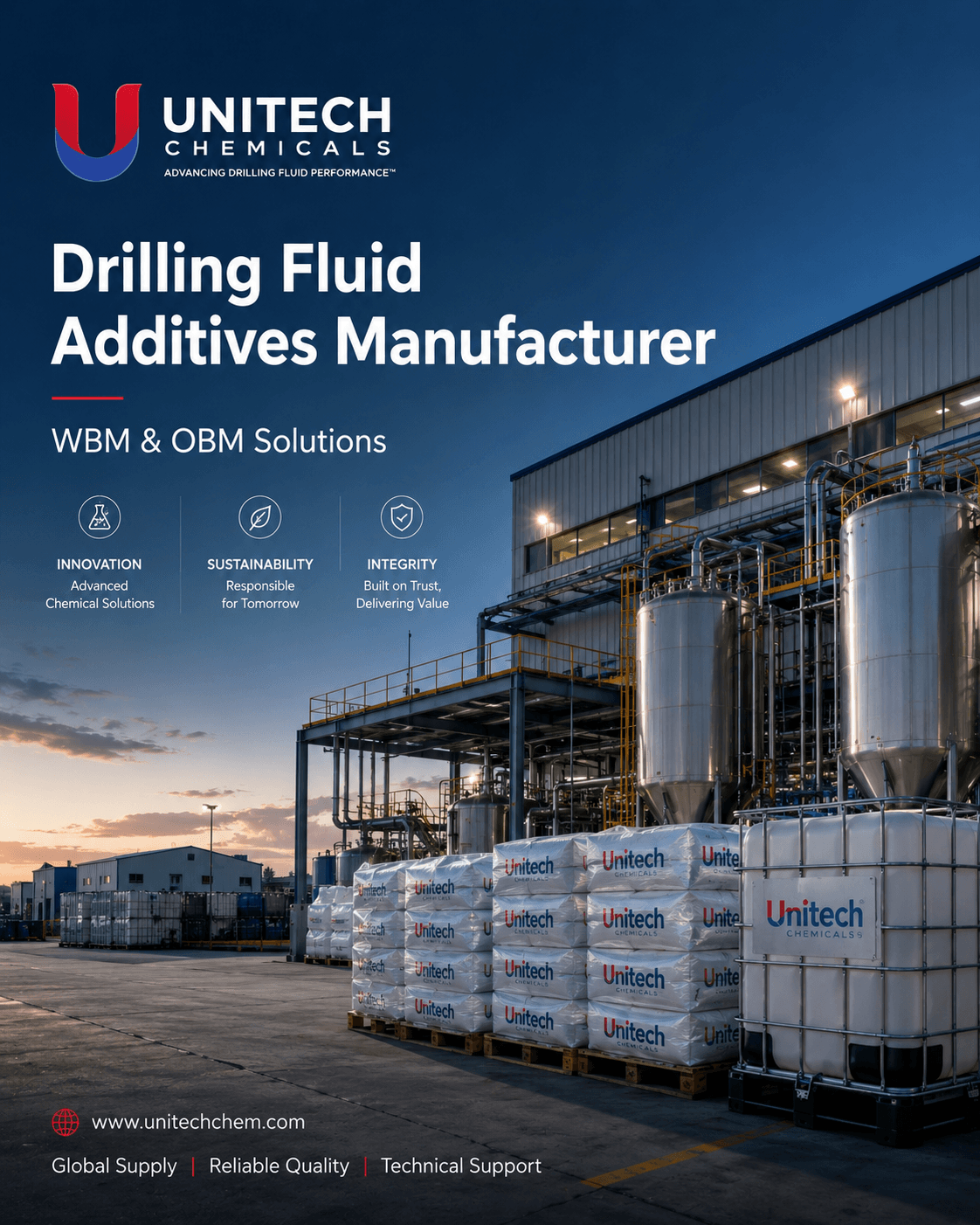
Drilling fluids, commonly referred to as drilling muds, are essential to nearly every oil and gas, geothermal, mining, water well, and horizontal directional drilling (HDD) operation. While the base fluid—whether water, oil, or synthetic fluid—forms the foundation of the drilling system, it is the carefully selected drilling fluid additives that determine how effectively the fluid performs under different drilling conditions.
Modern drilling operations face increasingly demanding environments. Extended-reach wells, deep formations, high-temperature reservoirs, reactive shale, and high-salinity formations all require drilling fluids with precisely engineered properties. No single additive can satisfy every requirement. Instead, drilling engineers formulate drilling fluid systems using multiple additives, each designed to perform a specific function.
These additives work together to:
· Transport drill cuttings efficiently
· Maintain wellbore stability
· Control formation pressure
· Reduce filtrate invasion
· Improve lubrication
· Stabilize rheological properties
· Protect drilling equipment
· Minimize environmental impact
Selecting the appropriate drilling fluid additives not only improves drilling efficiency but also reduces non-productive time (NPT), minimizes operational risks, and lowers overall drilling costs.
This comprehensive guide explains the major types of drilling fluid additives, their functions, typical applications, and key considerations when selecting additives for various drilling environments.
Drilling fluid additives are specialized chemical materials incorporated into drilling fluids to modify their physical, chemical, and rheological properties according to drilling requirements.
Unlike the base fluid, which primarily acts as the carrier, additives provide the functional characteristics necessary to maintain drilling performance under changing geological conditions.
Depending on the drilling program, additives may be used to:
· Increase viscosity
· Control filtration
· Improve suspension
· Prevent shale hydration
· Increase mud density
· Reduce friction
· Stabilize emulsions
· Adjust pH
· Control contamination
· Enhance thermal stability
Modern drilling fluid systems often contain more than ten different additives working together to optimize fluid performance throughout the drilling process.
Every well presents unique geological challenges.
For example:
· A shallow freshwater well may require only a simple bentonite-based mud system.
· A horizontal shale well may require multiple polymers, shale inhibitors, lubricants, and fluid loss additives.
· A deep high-temperature well demands additives capable of maintaining performance under extreme thermal conditions.
· Offshore drilling often requires environmentally acceptable additives that comply with increasingly stringent environmental regulations.
Because drilling conditions continuously change as the well deepens, drilling fluid properties must be adjusted accordingly. Selecting the correct additive package helps maintain drilling efficiency while protecting both the wellbore and the producing formation.
Drilling fluid additives directly influence drilling safety, efficiency, and overall project economics. Without appropriate additives, drilling fluids would quickly lose their ability to perform critical downhole functions.
The following sections summarize the primary functions of drilling fluid additives.
One of the most important functions of drilling fluids is carrying drilled rock cuttings from the bottom of the well to the surface.
Viscosifiers and rheology modifiers increase the carrying capacity of the drilling fluid, allowing cuttings to remain suspended even during reduced circulation or temporary pump shutdowns.
Efficient cuttings transport helps:
· Prevent stuck pipe
· Improve drilling rates
· Reduce excessive torque and drag
· Maintain clean hole conditions
Wellbore instability remains one of the leading causes of drilling delays and increased operating costs.
Reactive shale formations can absorb water, swell, and eventually collapse into the wellbore. Shale inhibitors, encapsulating polymers, and fluid loss control additives help minimize these problems by reducing water invasion and strengthening the borehole wall.
Proper wellbore stabilization reduces:
· Hole enlargement
· Tight spots
· Sloughing shale
· Pipe sticking
· Well control risks
Weighting agents are added to drilling fluids to increase mud density and maintain sufficient hydrostatic pressure against formation fluids.
Proper pressure control helps prevent:
· Formation influx
· Gas kicks
· Blowouts
· Lost well control incidents
Maintaining the correct mud weight is one of the most important aspects of safe drilling operations.
When drilling through permeable formations, liquid from the drilling fluid naturally tends to enter the surrounding rock.
Excessive filtration may result in:
· Formation damage
· Thick filter cakes
· Differential sticking
· Reduced drilling efficiency
Fluid loss control additives minimize filtrate invasion while forming thin, low-permeability filter cakes that stabilize the wellbore.
Drill bits and bottom-hole assemblies generate significant heat and friction during drilling.
Lubricants reduce metal-to-metal contact while drilling fluids remove heat from downhole tools.
Effective lubrication contributes to:
· Longer bit life
· Lower torque
· Reduced drag
· Improved directional drilling performance
Reservoir protection has become increasingly important in modern drilling operations.
Improper drilling fluid design may permanently reduce reservoir permeability and decrease future production.
Proper additive selection minimizes formation damage by:
· Controlling particle invasion
· Reducing filtrate penetration
· Improving filter cake quality
· Maintaining formation permeability
This is particularly important during reservoir drilling and completion operations.
Although hundreds of specialty drilling chemicals are available today, most can be classified into several functional categories.
The table below summarizes the major types of drilling fluid additives used in modern drilling operations.
Additive Category | Primary Function | Typical Products | Common Applications |
Viscosifiers | Increase viscosity and carrying capacity | Bentonite, Xanthan Gum | Water-based muds, HDD, oil & gas drilling |
Fluid Loss Control Additives | Reduce filtrate loss and improve filter cake quality | PAC, CMC, Hydroxypropyl Modified Starch | Water-based drilling fluids |
Shale Inhibitors | Prevent clay swelling and stabilize reactive formations | PHPA, KCl, Polyamines | Shale formations, horizontal drilling |
Rheology Modifiers | Optimize flow behavior and suspension performance | Xanthan Gum, PAC | Deep wells, directional drilling |
Weighting Agents | Increase drilling fluid density | Barite, Calcium Carbonate, Hematite | Pressure control |
Lubricants | Reduce friction and torque | Vegetable-based and synthetic lubricants | Horizontal and extended-reach wells |
Lost Circulation Materials (LCM) | Seal fractures and prevent fluid loss | Walnut Shells, Mica, Calcium Carbonate | Naturally fractured formations |
pH Control Agents | Maintain alkalinity and chemical stability | Caustic Soda, Soda Ash, Lime | Water-based mud systems |
Emulsifiers | Stabilize oil-based drilling fluids | Primary and Secondary Emulsifiers | Oil-based mud (OBM) |
Biocides & Corrosion Inhibitors | Protect drilling fluids and equipment | Biocides, Oxygen Scavengers | Long-duration drilling projects |
Each category serves a distinct purpose, and most drilling fluid systems combine multiple additives to achieve optimal performance.
Viscosifiers are among the most important drilling fluid additives because they directly influence the fluid's ability to transport drill cuttings and maintain suspension stability.
A properly designed viscosity profile enables the drilling fluid to carry solids efficiently while maintaining acceptable pump pressures and circulation rates.
The ideal viscosifier should provide:
· Excellent low-shear-rate viscosity
· Stable rheological performance
· Strong suspension capacity
· Good thermal stability
· Compatibility with other drilling fluid additives
Bentonite is the most widely used inorganic viscosifier in freshwater drilling fluids.
When hydrated, bentonite swells significantly, forming a colloidal suspension that increases viscosity and develops gel strength.
Its primary advantages include:
· Excellent hydration capacity
· Strong suspension performance
· Cost-effectiveness
· Wide availability
Typical applications include:
· Water well drilling
· Surface hole drilling
· Foundation engineering
· Conventional water-based drilling fluids
However, bentonite performance may decline in high-salinity or high-temperature environments, where polymer-based viscosifiers often provide superior stability.
Xanthan Gum is a high-performance biopolymer widely used in demanding drilling applications.
Unlike bentonite, xanthan gum provides excellent low-shear-rate viscosity without significantly increasing pump pressure.
Its key benefits include:
· Outstanding cuttings transport
· Excellent suspension during pump shutdown
· Salt tolerance
· High-temperature stability
· Superior performance in directional and horizontal drilling
Because of these characteristics, xanthan gum is commonly selected for high-performance water-based drilling fluid systems.
High-viscosity Polyanionic Cellulose (PAC-HV) functions as both a viscosifier and a fluid loss control additive.
Compared with bentonite, PAC-HV offers:
· Improved rheological stability
· Better filtration control
· Enhanced salt resistance
· Greater compatibility with complex polymer systems
PAC-HV is frequently incorporated into drilling fluid formulations designed for shale formations, high-salinity environments, and environmentally sensitive drilling projects.
Fluid loss control additives are designed to reduce the amount of filtrate that penetrates permeable formations during drilling. Excessive fluid loss can lead to thick filter cake formation, differential pipe sticking, formation damage, and wellbore instability, ultimately increasing drilling costs and non-productive time.
A well-designed filtration control system helps maintain borehole integrity while minimizing damage to productive formations. As drilling projects move into deeper, hotter, and more complex reservoirs, high-performance fluid loss additives have become an essential component of modern drilling fluid systems.
PAC is one of the most widely used polymer-based fluid loss additives in water-based drilling fluids. It provides excellent filtration control while contributing to viscosity and wellbore stability.
Key advantages include:
· Excellent API fluid loss reduction
· Thin, tough filter cake formation
· Good salt and calcium tolerance
· Improved wellbore stability
· Compatible with most polymer drilling fluid systems
PAC is commonly used in:
· Oil and gas drilling
· Horizontal directional drilling (HDD)
· Geothermal drilling
· Deep and extended-reach wells
CMC is another cellulose-based polymer widely applied in freshwater and low-salinity drilling fluids.
Compared with PAC, CMC generally offers:
· Good filtration control
· Moderate viscosity enhancement
· Cost-effective performance
· Easy compatibility with conventional water-based mud systems
CMC is often selected for standard drilling operations where extremely high temperature or salinity resistance is not required.
Hydroxypropyl starch, crosslinked starch, and other modified starches are widely used as fluid loss control additives in water-based drilling fluids. By modifying the starch molecular structure, these products can provide improved filtration control and compatibility with polymer-based drilling fluid systems.
Different modification technologies are selected according to drilling conditions such as salinity, calcium contamination, temperature, and reservoir requirements.
Unitech Chemicals offers several modified starch solutions for different water-based drilling fluid conditions, including:
· Hydroxypropyl Starch for general salt-tolerant fluid loss control
· Non-ionic Crosslinked Starch for filtration control and low-shear-rate viscosity development
· Calcium & Salt-Resistant Starch for high-CaCl₂ drilling fluid systems
· High-Temperature Resistant Starch for elevated-temperature water-based mud systems
When combined with xanthan gum and other compatible additives, these modified starches can contribute to fluid loss control, suspension performance, and rheological stability.
Additive | Fluid Loss Control | Temperature Resistance | Salt/Calcium Tolerance |
PAC | Excellent | Moderate to High* | Grade-dependent |
CMC | Good | Moderate | Moderate |
Modified Starch | Good to Excellent* | Moderate to High* | Grade-dependent |
*Performance depends on product grade, modification technology, concentration, and drilling fluid formulation.
Rather than relying on a single additive, drilling engineers often combine PAC with modified starch or other polymers to optimize filtration control under varying drilling conditions.
Reactive shale formations remain one of the most challenging geological conditions encountered during drilling. When clay minerals absorb water, they expand, weaken, and eventually disperse, leading to wellbore instability, stuck pipe, excessive torque, and costly drilling delays.
Shale inhibitors are formulated to minimize clay hydration and maintain borehole stability throughout drilling operations.
KCl is one of the most established shale inhibition chemicals in water-based drilling fluids.
Its primary function is to suppress clay hydration by exchanging potassium ions with sodium ions in clay minerals.
Advantages include:
· Effective shale stabilization
· Reduced clay swelling
· Lower dispersion
· Simple field application
KCl systems remain widely used in conventional shale drilling operations.
PHPA is a high-performance polymer designed to encapsulate drill cuttings and reactive shale surfaces.
Unlike inorganic salts, PHPA forms a protective polymer film around clay particles, helping prevent hydration and mechanical dispersion.
Benefits include:
· Excellent cuttings encapsulation
· Improved borehole stability
· Reduced bit balling
· Better hole cleaning efficiency
· Lower drilling fluid maintenance costs
PHPA is widely applied in:
· Horizontal drilling
· Directional drilling
· Extended-reach wells
· Reactive shale formations
Polyamine inhibitors represent a newer generation of shale stabilization technology.
Compared with traditional salt systems, polyamines provide:
· Stronger shale inhibition
· Lower environmental impact
· Better compatibility with polymer drilling fluids
· Improved thermal stability
Many high-performance water-based drilling fluid systems now incorporate polyamine technology to improve drilling performance in highly reactive shale formations.
The selection of shale inhibitors depends on several factors, including:
· Clay mineral composition
· Formation reactivity
· Downhole temperature
· Salinity
· Environmental regulations
· Overall drilling fluid formulation
For particularly challenging formations, multiple inhibition technologies are often combined to achieve maximum wellbore stability.
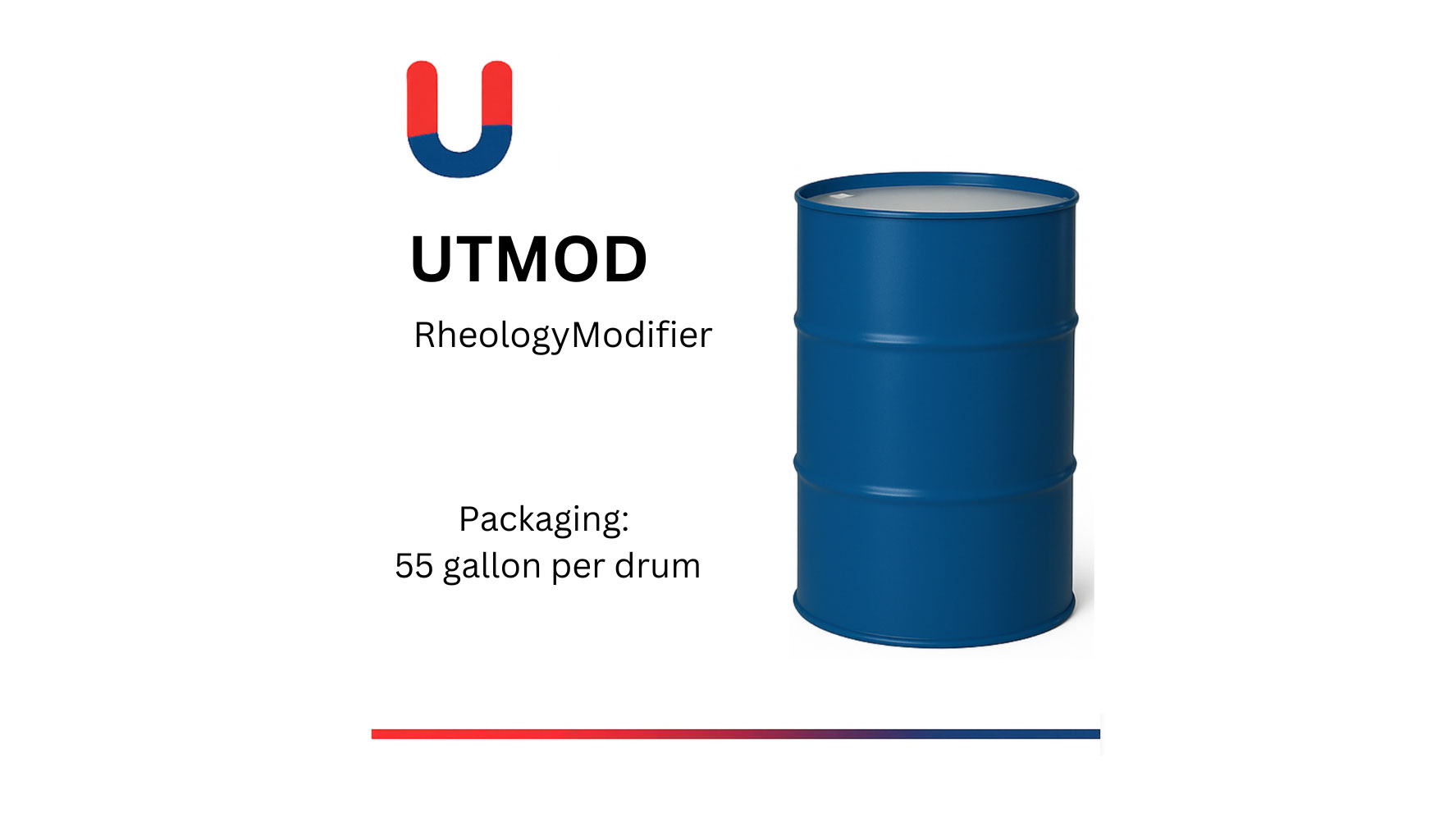
Rheology refers to the flow behavior of drilling fluids under different shear conditions. Proper rheological properties are essential for efficient cuttings transport, suspension stability, pressure management, and drilling efficiency.
Modern drilling fluids are designed to exhibit:
· High viscosity at low shear rates for suspension
· Lower viscosity at high shear rates for easier pumping
· Stable gel strength during circulation interruptions
Rheology modifiers help achieve this balance.
Frequently used rheology modifiers include:
· Xanthan Gum
· PAC
· CMC
· Hydroxypropyl Modified Starch
· Specialized synthetic polymers
These additives improve:
· Yield point
· Gel strength
· Suspension capacity
· Hole cleaning
· Pump efficiency
Proper rheology optimization becomes increasingly important in:
· Horizontal wells
· Deep wells
· Large-diameter boreholes
· Extended-reach drilling
Weighting agents increase drilling fluid density to maintain hydrostatic pressure and prevent formation fluids from entering the wellbore.
Selecting the correct mud weight is critical for:
· Well control
· Blowout prevention
· Pressure balance
· Borehole stability
Barite remains the industry-standard weighting material because of its:
· High specific gravity
· Chemical inertness
· Wide availability
· Excellent compatibility
It is suitable for most drilling environments.
Calcium carbonate is frequently used when reservoir protection is a priority.
Advantages include:
· Acid solubility
· Lower formation damage
· Suitable for drill-in fluids
· Improved cleanup after completion
Hematite provides significantly higher density than barite and is selected for extremely high-pressure wells where additional mud weight is required.
Weighting Agent | Specific Gravity | Typical Application |
Barite | 4.2 | Conventional drilling |
Calcium Carbonate | 2.7 | Reservoir drilling |
Hematite | 5.0+ | High-pressure wells |
As directional drilling and extended-reach drilling continue to expand worldwide, lubricants have become increasingly important for reducing torque, drag, and mechanical wear.
Effective lubricants help:
· Extend drill bit life
· Improve rate of penetration (ROP)
· Reduce pipe sticking
· Lower equipment wear
· Improve drilling efficiency
Modern drilling fluid systems may incorporate:
· Vegetable-based lubricants
· Ester-based lubricants
· Synthetic lubricants
· Specialty OBM lubricants
Environmentally acceptable lubricants are increasingly preferred for offshore and environmentally regulated drilling projects.
Lost circulation occurs when drilling fluid escapes into fractures, vugs, or highly permeable formations instead of returning to the surface.
Severe fluid losses can lead to:
· Increased drilling costs
· Well control risks
· Formation instability
· Significant non-productive time
LCMs are designed to bridge fractures and seal loss zones.
Typical materials include:
· Ground walnut shells
· Mica
· Calcium carbonate
· Cellulose fibers
· Graphite-based materials
Different particle size distributions are selected according to fracture width and formation characteristics.
Modern lost circulation treatments frequently combine multiple particle sizes to maximize sealing efficiency.
Modern drilling fluid systems rely on carefully engineered additive packages rather than individual products. Each additive performs a specific function while complementing the performance of others to create a stable, efficient drilling fluid system.
For example, Unitech's modified starch products can be used alongside xanthan gum to support fluid loss control and low-shear-rate viscosity, while other additives are selected to address inhibition, lubrication, density, or lost circulation requirements.
Additive Category | Primary Function |
Bentonite / Xanthan Gum | Build viscosity and suspend cuttings |
PAC / Hydroxypropyl Modified Starch | Control fluid loss and improve filter cake quality |
PHPA / Polyamine | Inhibit shale hydration and stabilize the wellbore |
Lubricants | Reduce torque, drag, and equipment wear |
Barite | Increase drilling fluid density |
Caustic Soda | Maintain alkalinity and polymer performance |
LCM | Seal fractures and reduce lost circulation |
A properly balanced drilling fluid system delivers several operational benefits:
· Improved cuttings transport
· Better wellbore stability
· Reduced drilling fluid maintenance
· Lower risk of differential sticking
· Improved drilling efficiency
· Reduced non-productive time (NPT)
Rather than selecting additives independently, drilling engineers evaluate the complete drilling environment—including formation characteristics, well trajectory, temperature, pressure, and environmental requirements—to design an integrated fluid system.
Selecting drilling fluid additives involves much more than choosing products from a catalog. The optimal formulation depends on a combination of geological conditions, drilling objectives, operational constraints, and environmental regulations.
Below are the key factors typically considered during drilling fluid design.
The type of formation being drilled has the greatest influence on additive selection.
For example:
· Reactive shale requires effective shale inhibitors.
· Highly permeable formations demand strong fluid loss control.
· Naturally fractured formations require lost circulation materials.
· Abrasive formations may benefit from enhanced lubrication.
Understanding formation mineralogy and pore structure helps determine the most appropriate additive package.
As drilling depth increases, downhole temperatures rise significantly.
High-temperature environments may cause:
· Polymer degradation
· Reduced viscosity
· Increased fluid loss
· Poor suspension performance
For higher-temperature water-based mud systems, additive selection should consider the thermal stability of the entire formulation rather than the performance of a single polymer.
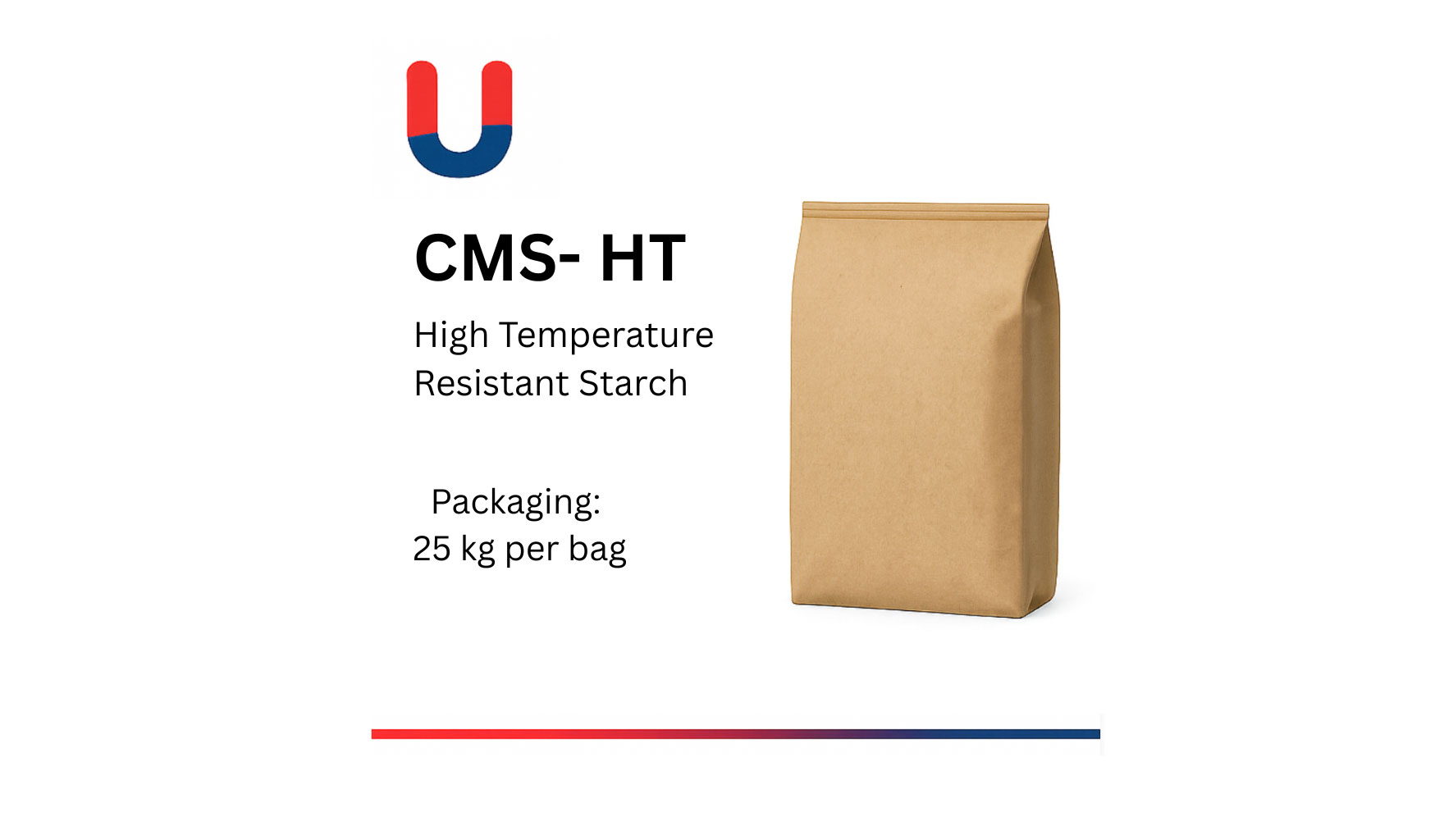
Unitech Chemicals offers CMS-HT, a high-temperature resistant starch, for water-based drilling fluids. CMS-HT is designed to provide filtration control under elevated-temperature conditions and can hydrate in cold water and brine without requiring an activation temperature.
For oil-based mud systems, Unitech also offers high-temperature emulsifiers, stabilizers, organophilic clays, and organic lignite fluid loss reducers for demanding high-temperature applications.
For high-temperature wells, drilling fluids may incorporate:
· Thermally stable PAC
· High-temperature modified starch
· High-temperature polymers
· Specialized shale inhibitors
Maintaining drilling fluid stability at elevated temperatures is essential for deep and ultra-deep drilling projects.
Salt contamination can significantly reduce the effectiveness of many drilling fluid additives.
When drilling through salt formations or using seawater-based mud systems, operators typically select additives with proven salt tolerance.
Salt and calcium contamination can significantly affect polymer hydration, rheology, filtration control, and suspension performance. Therefore, drilling fluid additives should be selected according to the actual ionic environment of the system.
For high-salinity or calcium-contaminated water-based drilling fluids, specially modified starches can provide an additional option for maintaining filtration control.
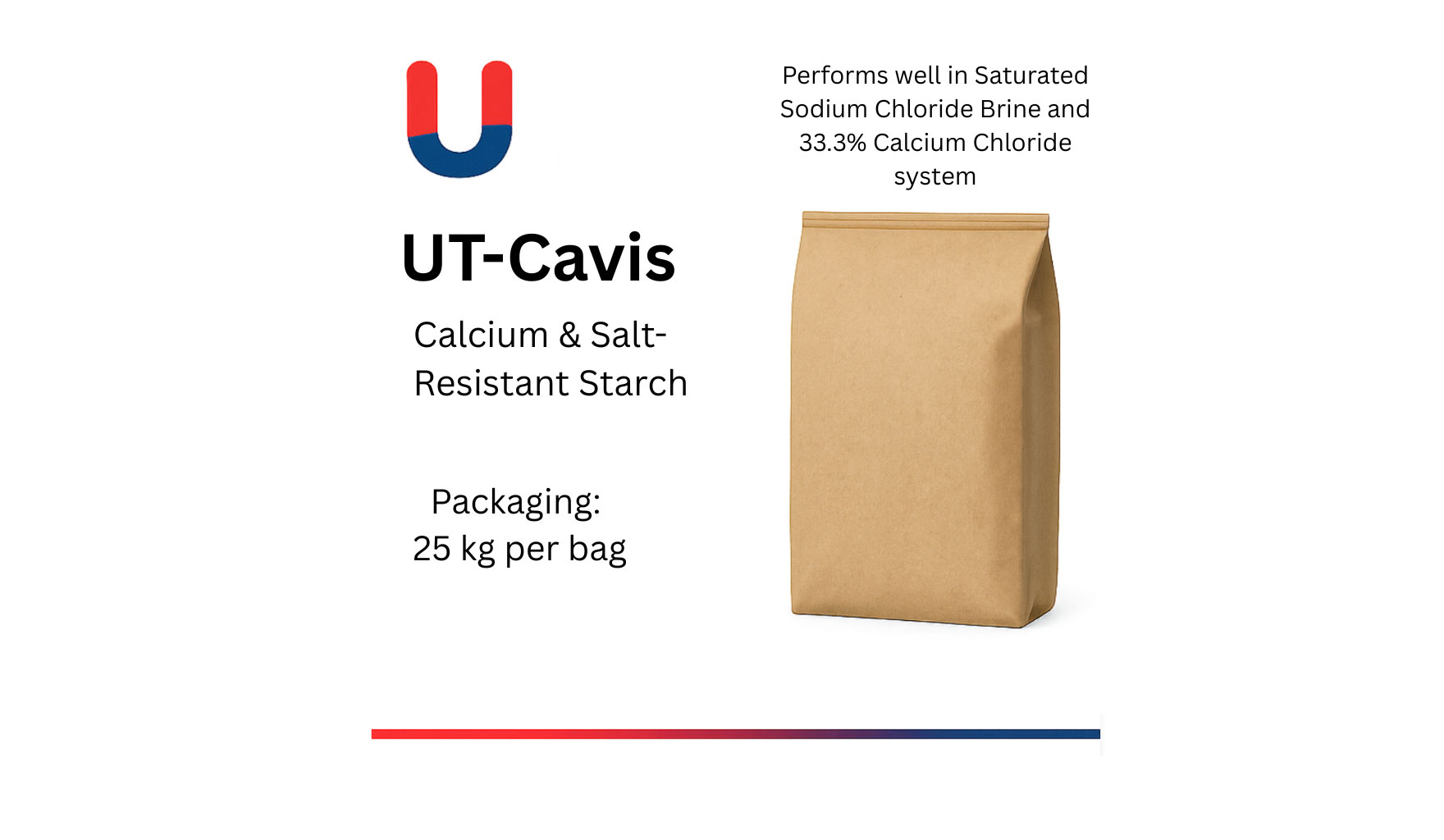
Unitech's Calcium & Salt-Resistant Starch (UTcavis) is specifically designed for high-concentration CaCl₂ drilling fluid systems. When used with xanthan gum, it is designed to improve low-shear-rate viscosity, suspension capacity, and fluid loss control under high-CaCl₂ conditions.
This type of additive can be particularly relevant when conventional polymer fluid-loss additives lose effectiveness because of high calcium or salt concentrations.
Directional and horizontal wells create unique drilling challenges.
Compared with vertical wells, they generally require:
· Higher carrying capacity
· Better lubrication
· Improved suspension during pump shutdown
· Enhanced hole cleaning
As a result, drilling fluids for extended-reach wells often contain a combination of:
· Xanthan Gum
· High-performance lubricants
· Fluid loss additives
· Advanced shale inhibitors
Environmental regulations continue to influence drilling fluid design worldwide.
Many operators now prefer additives that offer:
· Low toxicity
· Biodegradability
· Reduced environmental impact
· Compliance with offshore environmental regulations
High-performance water-based drilling fluids have become increasingly popular because they combine excellent drilling performance with improved environmental compatibility.
Drilling Condition | Recommended Additives |
High-temperature wells | PAC + Hydroxypropyl Modified Starch + High-temperature polymer |
Reactive shale | PHPA + Polyamine + PAC |
High-salinity formations | Salt-resistant PAC + Xanthan Gum |
Horizontal drilling | Xanthan Gum + Lubricant + PAC |
Reservoir drilling | Calcium Carbonate + PAC |
Fractured formations | LCM + Fluid Loss Additives |
While every drilling project is unique, selecting additives based on operating conditions rather than individual product properties leads to more reliable drilling performance.
Water-based and oil-based drilling fluids require different additive packages because of their distinct fluid systems and operating characteristics.
Water-based drilling fluids remain the most widely used drilling systems due to their cost-effectiveness, operational flexibility, and relatively low environmental impact.
Typical WBM additives include:
· Bentonite
· PAC
· CMC
· Hydroxypropyl Modified Starch
· Xanthan Gum
· PHPA
· KCl
· Polyamines
· Lubricants
· Caustic Soda
Advantages include:
· Lower environmental impact
· Easier waste treatment
· Lower operating cost
· Suitable for most drilling applications
Modern high-performance WBM systems continue to replace conventional mud systems in many drilling environments because they provide improved wellbore stability while meeting increasingly strict environmental requirements.
Unitech Chemicals' Water-Based Mud Additive Solutions
For water-based drilling fluid systems, Unitech Chemicals provides additives covering several key functions, including fluid loss control, rheology modification, lubrication, thinning, and inhibition.
Its water-based mud portfolio includes:
· Modified starches for fluid loss control
· Calcium & salt-resistant starch for high-CaCl₂ systems
· High-temperature resistant starch
· High-performance water-based mud thinner
· Water-based mud lubricant
· Methyl glucoside for inhibitive drilling fluid systems
These products can be used individually or combined with other drilling fluid additives according to formation conditions and required mud properties.
Oil-based drilling fluids are commonly selected for extremely challenging drilling environments.
Typical OBM additives include:
· Primary emulsifiers
· Secondary emulsifiers
· Wetting agents
· Organophilic clay
· Lime
· Fluid loss additives
· Weighting agents
Advantages include:
· Excellent shale inhibition
· Superior lubricity
· Outstanding temperature stability
· Improved borehole stability
However, OBM systems generally involve higher operating costs and stricter environmental controls compared with WBM systems.
Oil-based mud performance depends on the interaction between emulsification, wetting, rheology, filtration control, and thermal stability. These functions are normally achieved through a coordinated additive package rather than a single chemical.
Unitech Chemicals offers OBM additives covering several of these functions:
Function | Unitech Solution |
Primary emulsification | Primary emulsifiers |
Secondary emulsification | Secondary emulsifiers |
One-drum emulsification | High-performance one-drum emulsifiers |
Wetting | OBM wetting agents |
Rheology control | Organophilic clay and rheology modifiers |
Fluid loss control | Organic lignite products |
High-temperature stability | High-temperature stabilizers |
Ultra-high-temperature systems | High-temperature emulsifiers, stabilizers and organophilic clay |
For demanding high-temperature and deep-well applications, these additives can be formulated as an integrated OBM system according to the base oil, oil-water ratio, mud density, temperature, and required rheological and filtration properties.
Property | Water-Based Mud | Oil-Based Mud |
Environmental Performance | Excellent | Moderate |
Cost | Lower | Higher |
Shale Inhibition | Good | Excellent |
Lubricity | Good | Excellent |
High-Temperature Stability | Good to Excellent | Excellent |
Waste Disposal | Easier | More Complex |
Regulatory Compliance | Easier | More Stringent |
The selection between WBM and OBM depends on formation conditions, drilling objectives, environmental regulations, and overall project economics.
The global drilling industry is evolving rapidly as operators pursue deeper wells, more complex reservoirs, and higher operational efficiency. These trends are driving demand for drilling fluid additives that deliver consistent performance under increasingly challenging conditions.
Modern water-based drilling fluids are expected to provide performance once associated primarily with oil-based systems.
This has accelerated the development of:
· Advanced cellulose polymers
· Hydroxypropyl Modified Starch
· High-performance shale inhibitors
· Improved lubricants
· Multifunctional polymer systems
These technologies help improve drilling efficiency while reducing environmental impact.
Environmental regulations continue to influence drilling practices across North America, Europe, the Middle East, and many offshore regions.
As a result, operators increasingly prefer drilling fluid additives that offer:
· Reduced toxicity
· Improved biodegradability
· Lower environmental impact
· Easier waste management
· Compliance with local environmental standards
Sustainable drilling solutions are becoming a key consideration in additive selection, particularly for environmentally sensitive projects.
Large-scale drilling projects require reliable product quality throughout the entire drilling program.
Manufacturers are therefore placing greater emphasis on:
· Consistent raw material selection
· Batch-to-batch consistency
· Comprehensive laboratory testing
· Process standardization
· ISO-based quality management systems
Reliable manufacturing helps drilling contractors maintain consistent drilling fluid performance from one shipment to the next, reducing operational uncertainty.
Oil and gas drilling projects often operate across multiple regions with demanding logistics requirements. As a result, many contractors prefer suppliers capable of providing:
· Stable production capacity
· Flexible packaging options
· Export experience
· Technical documentation
· Reliable international delivery
· Long-term technical support
Beyond product performance, dependable supply capability has become an important factor in selecting drilling fluid additive partners.
Drilling fluid additives are the foundation of modern drilling fluid systems. From controlling filtration and stabilizing shale formations to improving rheology, suspension, lubrication, and pressure control, each additive contributes to safe, efficient, and cost-effective drilling operations.
Because drilling conditions vary significantly from one well to another, no single additive can meet every operational requirement. Successful drilling fluid design depends on selecting compatible additives that work together to maintain fluid stability, protect the wellbore, and optimize drilling performance throughout the project.
As drilling projects become deeper, hotter, and more technically challenging, the demand for high-performance, environmentally responsible drilling fluid additives will continue to grow. Manufacturers that combine product quality, technical expertise, and reliable supply capability are increasingly valued by drilling contractors and oilfield service companies seeking long-term operational success.
A reliable drilling fluid system typically combines multiple additives to control rheology, fluid loss, lubrication, shale stability, emulsion performance, and high-temperature stability. Explore our related drilling fluid additive solutions:
Water-Based Drilling Fluid Additives
· Modified Starch for Fluid Loss Control
· High-Performance Water-Based Mud Thinner
· Water-Based Mud Lubricant
· Methyl Glucoside
Oil-Based Drilling Fluid Additives
· Primary Emulsifiers
· Secondary Emulsifiers
· Wetting Agents
· Organophilic Clay
· Rheology Modifiers
· Organic Lignite Products
High-Temperature Drilling Fluid Additives
· High-Temperature Stabilizer
· High-Temperature Resistant Starch
· High-Temperature Organophilic Clay
· High-Temperature Primary Emulsifier
· High-Temperature Secondary Emulsifier
As drilling operations expand into deeper, hotter, and more complex formations, the need for reliable drilling fluid additives has never been greater. Unitech Chemicals is committed to supporting these evolving challenges with high-quality drilling fluid additives designed for both Water-Based Mud (WBM) and Oil-Based Mud (OBM) systems.
Our product portfolio includes cellulose polymers, modified starches, shale inhibitors, lubricants, fluid loss control additives, and other specialty drilling chemicals widely used in oil and gas drilling, geothermal drilling, HDD, mining, and water well projects.
To ensure consistent product performance, we emphasize:
· Stable production capacity
· Strict batch-to-batch consistency
· Comprehensive laboratory testing
· ISO-based quality management
· Reliable international supply capability
In response to the industry's growing focus on sustainability, we continue to optimize drilling fluid additives designed to help customers meet environmental requirements and high-performance water-based drilling solutions that help customers balance drilling efficiency with environmental responsibility.
More than a chemical supplier, Unitech Chemicals strives to be a long-term partner by providing dependable product quality, responsive technical support, and reliable global supply for demanding drilling applications.
Choosing the right drilling fluid additive package requires a clear understanding of formation characteristics, drilling objectives, and fluid system compatibility.
Whether you are developing a new drilling fluid formulation or optimizing an existing system, our technical team can assist with:
· Product selection
· Application recommendations
· Technical data sheets (TDS)
· Sample requests
· Customized drilling fluid additive solutions
Drilling fluid additives are generally classified according to their primary functions. The most common categories include:
· Viscosifiers
· Fluid loss control additives
· Shale inhibitors
· Rheology modifiers
· Weighting agents
· Lubricants
· Lost circulation materials (LCMs)
· pH control agents
· Emulsifiers
· Corrosion inhibitors and biocides
Each category contributes to maintaining drilling fluid performance under specific drilling conditions.
Fluid loss is primarily controlled using polymer-based additives such as Polyanionic Cellulose (PAC), Carboxymethyl Cellulose (CMC), and Hydroxypropyl Modified Starch.
These additives help form a thin, low-permeability filter cake that minimizes filtrate invasion, improves wellbore stability, and reduces formation damage.
Both PAC and CMC are cellulose derivatives used in water-based drilling fluids, but they offer different performance characteristics.
Property | PAC | CMC |
Fluid loss control | Excellent | Good |
Salt resistance | Excellent | Moderate |
Temperature resistance | Higher | Moderate |
Cost | Higher | Lower |
Typical application | Complex drilling environments | Conventional drilling |
PAC is generally preferred for demanding drilling conditions such as high-temperature, high-salinity, or shale formations, while CMC is widely used in standard drilling operations where cost-effective performance is required.
Typical additives used in water-based mud (WBM) systems include:
· Bentonite
· PAC
· CMC
· Xanthan Gum
· Hydroxypropyl Modified Starch
· PHPA
· Potassium Chloride (KCl)
· Polyamine inhibitors
· Lubricants
· Caustic Soda
The exact formulation depends on formation characteristics, drilling depth, temperature, salinity, and operational objectives.
Not always.
Oil-based mud (OBM) systems use specialized additives such as emulsifiers, wetting agents, organophilic clay, and lime. However, some additives, including weighting agents, lubricants, and certain fluid loss control materials, may be used in both WBM and OBM systems, depending on the drilling fluid formulation.
Engineers evaluate several key factors before selecting drilling fluid additives, including:
· Formation type
· Downhole temperature
· Formation pressure
· Salinity
· Well trajectory
· Environmental regulations
· Drilling objectives
Rather than relying on individual products, drilling fluid systems are designed as integrated formulations to ensure compatibility and consistent field performance.
Environmental regulations continue to tighten across many oil and gas producing regions. Operators increasingly seek additives that combine high drilling performance with reduced environmental impact.
Modern environmentally friendly additives help:
· Lower toxicity
· Improve biodegradability
· Reduce waste treatment requirements
· Support sustainable drilling practices
· Meet local environmental compliance standards
As a result, advanced polymer technologies and high-performance water-based drilling fluid systems are becoming increasingly important in modern drilling operations.