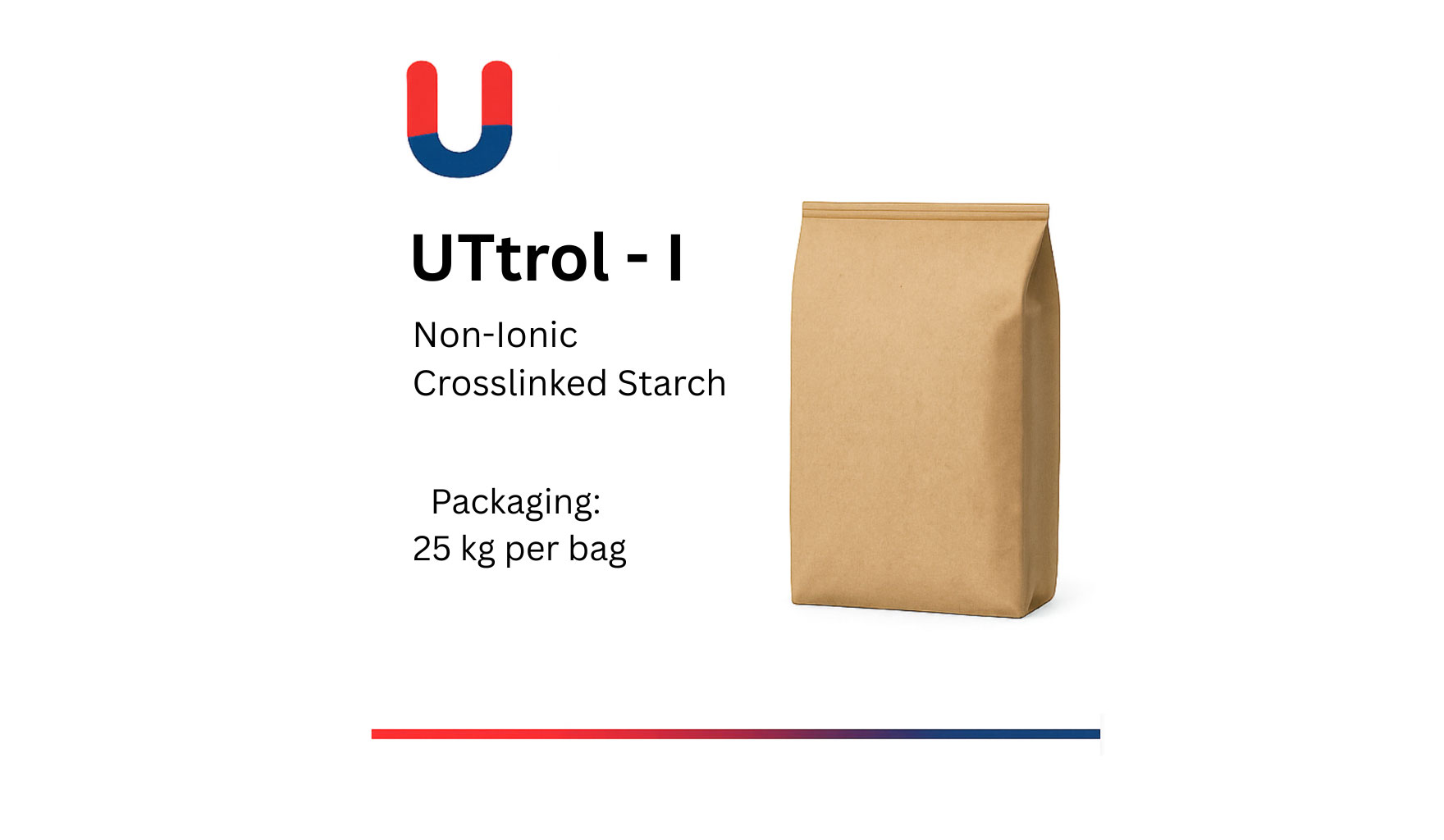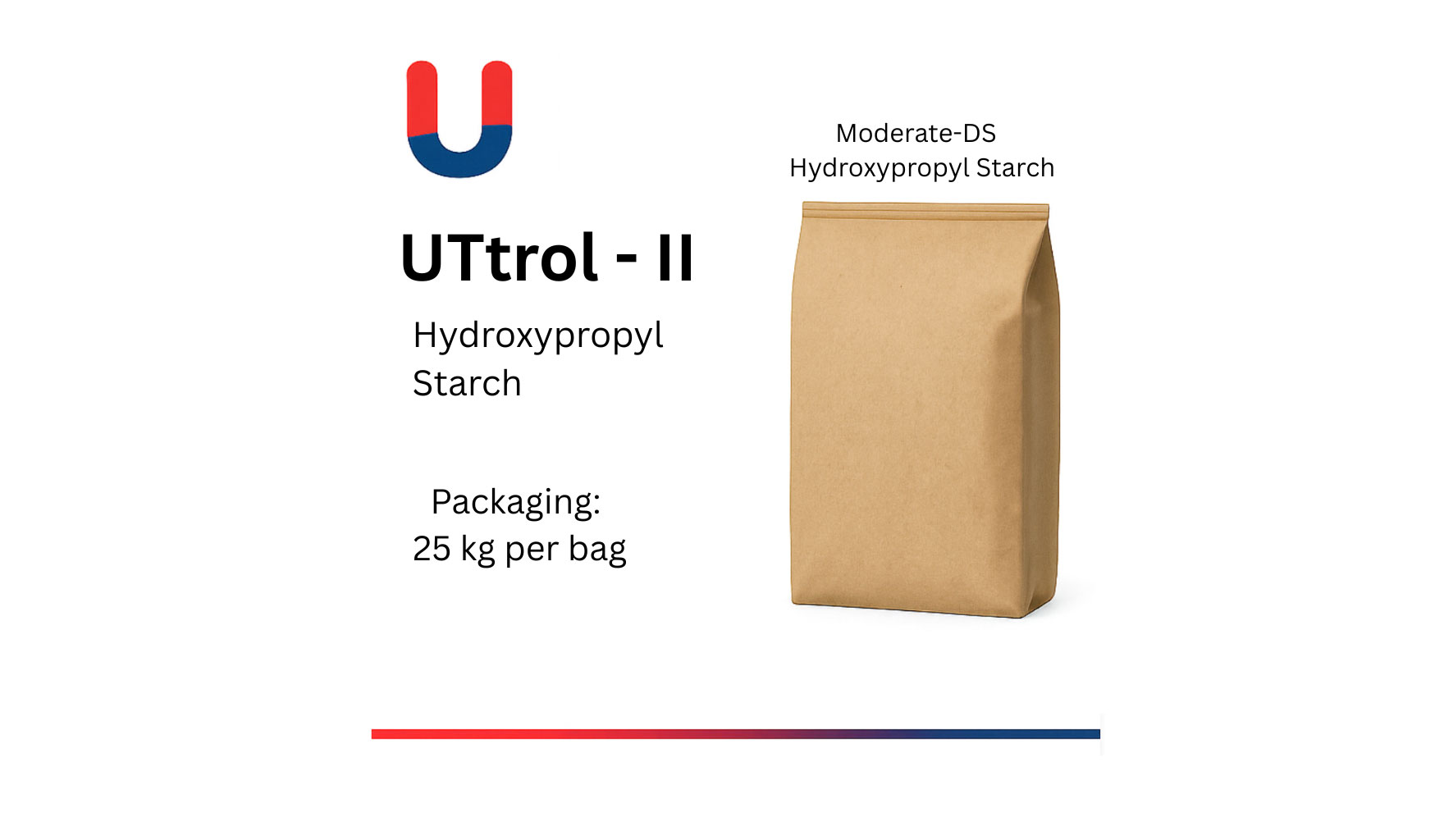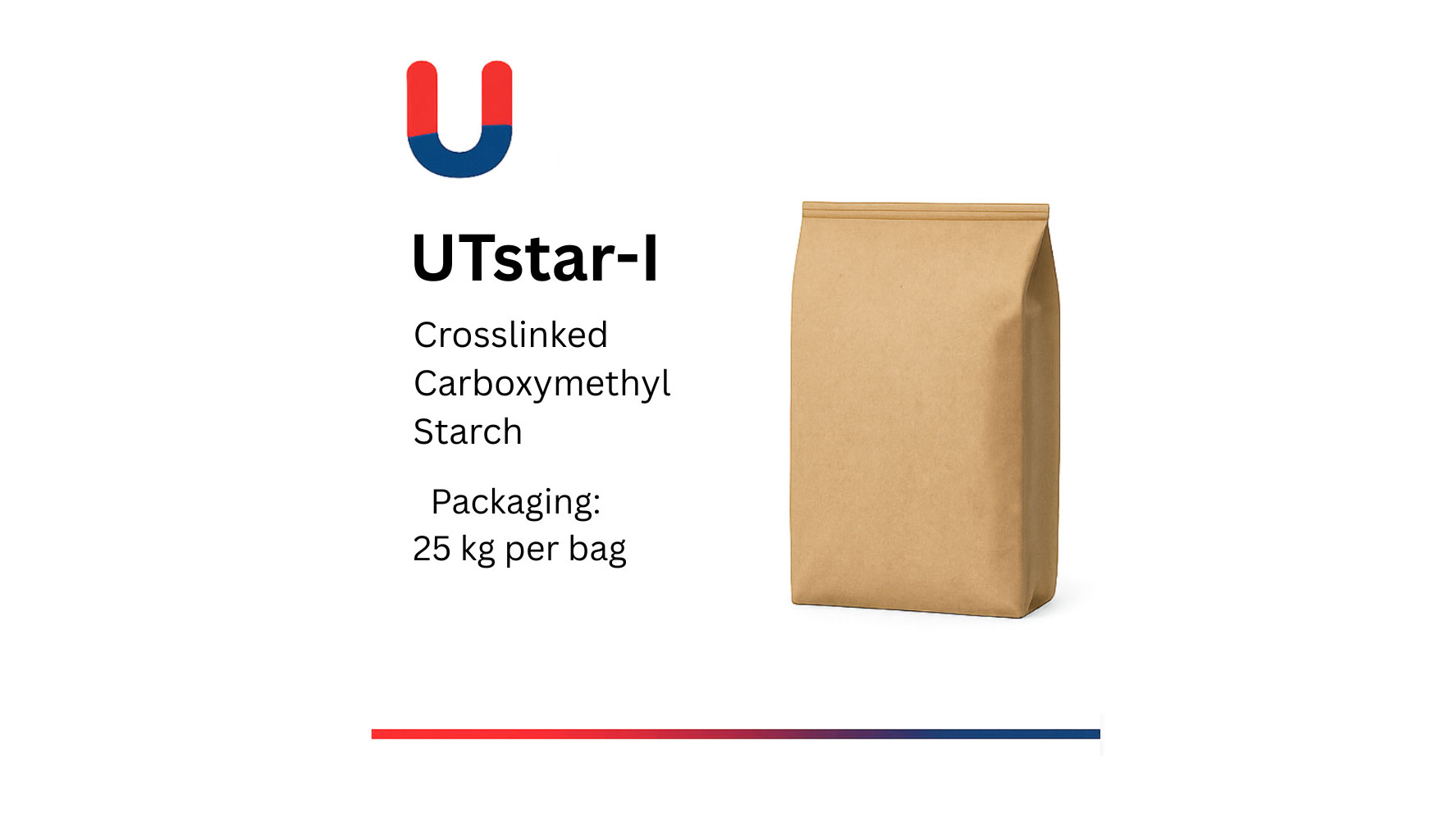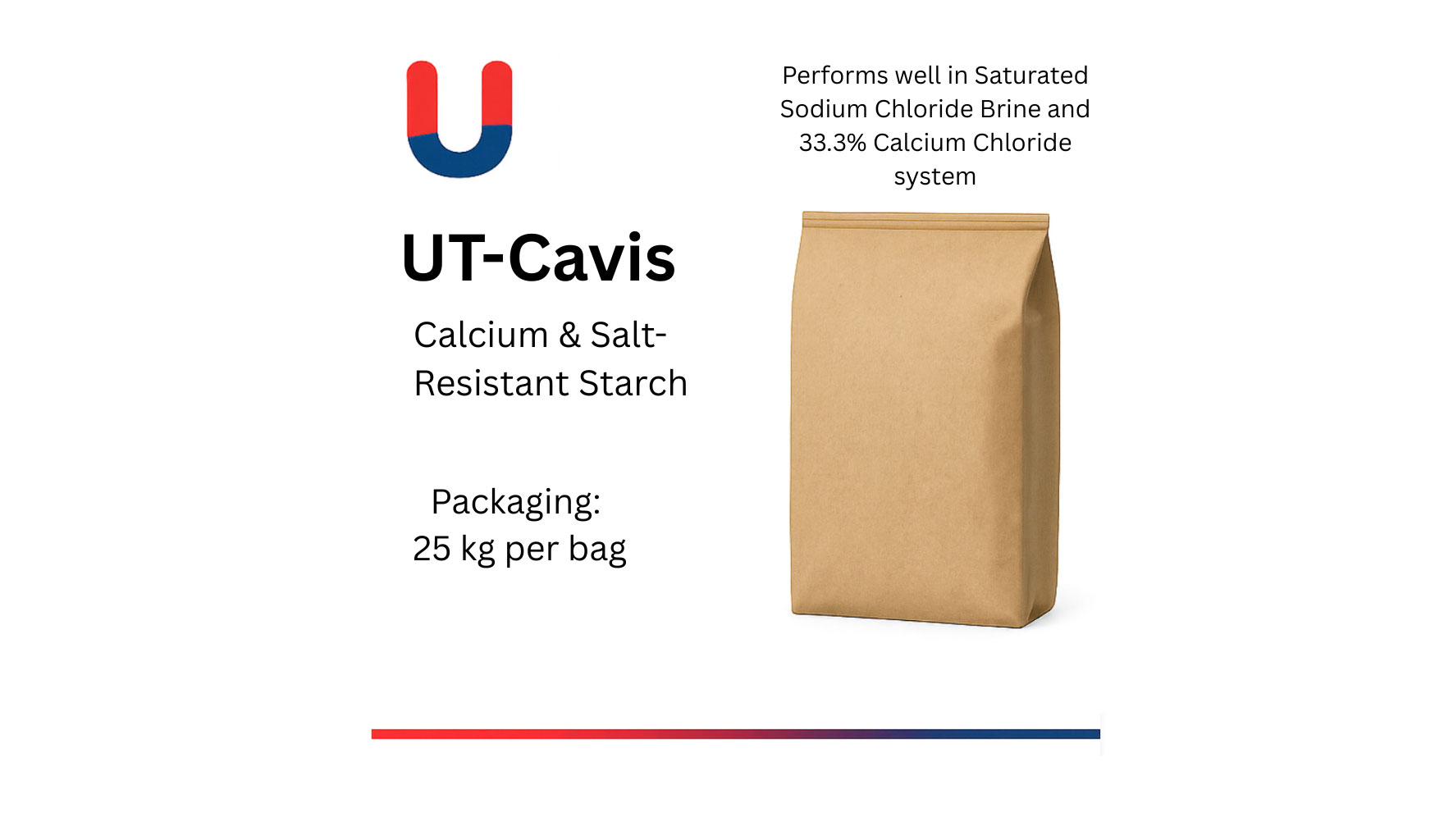
Salt contamination is a common concern when managing water-based drilling fluids (WBM), particularly when drilling through salt-bearing formations or encountering saline formation water. Changes in salinity can affect clay hydration, particle interactions, polymer performance, rheology, and filtration control. The severity and type of response depend on the salt involved, its concentration, the base-fluid chemistry, and the composition of the drilling fluid.
For drilling fluid engineers and mud service companies, the challenge is not simply to identify an increase in salinity. It is to determine whether the change is affecting critical mud properties, identify the likely source, and select a treatment strategy that restores the required performance without creating additional problems.
Adding more viscosifier or fluid-loss control additive without understanding the contamination may increase treatment costs while failing to address the underlying issue.
This guide explains how salt contamination affects water-based drilling fluids, how to distinguish different contamination scenarios, which tests help diagnose the problem, and how to evaluate practical treatment options.
Quick Answer: How Do You Diagnose and Treat Salt Contamination in Water-Based Drilling Fluids?
Salt contamination should be evaluated by combining water-chemistry measurements with rheology, filtration, and other relevant performance tests.
A practical approach is to:
Identify the likely source of salt entry, such as formation water, salt-bearing formations, or changes in makeup water.
Compare the current mud properties with the established baseline and recent treatment records.
Measure relevant indicators, including chloride concentration and other chemical parameters appropriate to the suspected salt.
Evaluate changes in PV, YP, gel strength, and fluid loss.
Determine whether the problem involves monovalent salts, divalent cations such as calcium or magnesium, or a combination of contaminants.
Select a treatment strategy based on the mud system, contamination severity, and operating requirements.
Conduct controlled laboratory tests before applying significant treatment changes to the active system.
Recheck the relevant properties after treatment and monitor whether the system remains stable.
The objective is to restore the required drilling fluid performance, not merely to reduce a single chemical measurement or increase viscosity.
1. What Is Salt Contamination in Water-Based Drilling Fluids?
Salt contamination occurs when the concentration or composition of dissolved salts changes in a way that affects the intended behavior of a water-based drilling fluid.
Salt may enter the system through several routes:
Drilling through salt-bearing formations
Influx of saline formation water
Using seawater or other saline water as makeup water
Transfer of contaminated fluid between tanks or systems
Introducing salts through other operational materials or fluids
Not every increase in salinity represents an unwanted contamination event. Some water-based mud systems are deliberately formulated with salt or brine to meet specific drilling requirements.
The distinction is between planned salinity as part of the mud design and an unexpected change that moves the system away from its intended operating conditions.
The type of salt also matters. Sodium chloride, potassium chloride, calcium salts, and magnesium salts do not necessarily produce the same response in a drilling fluid.
For example, monovalent ions such as sodium and potassium can affect clay hydration and polymer behavior, while divalent ions such as calcium and magnesium can interact differently with clay surfaces and certain polymers.
Consequently, the diagnosis should consider both the concentration of dissolved salts and the identity of the ions involved.
2. How Salt Contamination Affects Water-Based Drilling Fluid Performance
Salt contamination can affect several properties at the same time. The direction and magnitude of each change depend on the mud formulation and contamination conditions.
2.1 Changes in Rheology
Rheology describes how the drilling fluid flows and develops structure under different shear conditions.
Salt can alter interactions between clay particles and the behavior of water-soluble polymers. Depending on the system, these changes may cause viscosity and yield point to decrease, increase, or become less stable.
Potential observations include:
Changes in plastic viscosity (PV)
Changes in yield point (YP)
Reduced or altered gel strength
Unusual changes in low-shear behavior
Different rheological responses after aging
In some systems, increased electrolyte concentration compresses the electrical double layer around clay particles, reducing electrostatic repulsion and changing particle aggregation. In other systems, the response depends strongly on the polymer chemistry and the particular ions present.
Therefore, salt contamination should not automatically be associated with either a viscosity increase or a viscosity decrease.
Why this matters: A fluid with unsuitable rheology may have difficulty meeting its required cuttings-transport or suspension objectives. However, raising viscosity without identifying the cause may increase solids loading or create other treatment problems.
2.2 Deterioration of Filtration Control
Salt contamination may reduce the effectiveness of certain filtration-control additives or change the structure of the filter cake.
Depending on the formulation, the resulting changes may include:
Increased filtrate volume
Changes in filter-cake thickness or texture
Reduced filtration-control efficiency after aging
Greater variability between laboratory tests
The response is not identical for all polymers. Some formulations are more tolerant of particular salts than others, and performance under one salinity condition does not guarantee equivalent performance under another.
When filtration control deteriorates, evaluate the results alongside rheology and water chemistry instead of immediately increasing the dosage of a fluid-loss control product.
For more information about the products used to manage filtration, see our guide to fluid loss control additives in drilling fluids.
2.3 Changes in Clay Hydration and Dispersion
Bentonite and other clay-containing components contribute to the rheological and filtration behavior of many water-based drilling fluids.
Their behavior depends partly on the chemistry of the surrounding water. Changes in ionic composition can affect hydration, dispersion, and interactions between particles.
Depending on the clay and salt conditions, contamination may contribute to changes in viscosity, aggregation, suspension behavior, or filter-cake formation.
This is one reason why simply adding more bentonite may not solve a salt-related performance problem. If the water chemistry remains unsuitable, additional clay may not deliver the expected improvement.
2.4 Reduced Polymer Effectiveness
Some water-soluble polymers are sensitive to salt concentration or ion type. Changes in the surrounding solution can alter polymer hydration, conformation, adsorption, or interactions with clay particles.
Potential consequences include reduced thickening efficiency, changes in fluid-loss control, or different behavior after thermal aging.
However, salt tolerance varies substantially with polymer chemistry. It is therefore more accurate to evaluate a specific product under defined conditions than to assume all PAC, CMC, starch-based, or other polymer products respond identically.
2.5 Effects on Overall Drilling Fluid Stability
The combined effects of salt contamination may affect several required mud functions simultaneously.
For example, a formulation may experience changes in both rheology and filtration after contamination. A system that initially appears acceptable may also respond differently after aging or further treatment.
The practical objective is to determine whether the fluid still meets its defined operating requirements and, if not, which properties need to be restored.
3. Sodium, Potassium, Calcium, and Magnesium Salt Contamination
Understanding the likely salt type helps determine which measurements and treatment options are appropriate.
Salt or ion type | Potential effects | Diagnostic considerations |
Sodium salts, such as NaCl | May alter clay hydration, particle interactions, and polymer performance | Evaluate chloride and relevant water-chemistry data alongside mud properties |
Potassium salts, such as KCl | Can change ionic conditions and may be intentionally used in inhibitive mud systems | Distinguish planned KCl concentration from an unexpected change |
Calcium salts | May affect clay and polymer behavior and can contribute to changes in rheology and filtration | Evaluate calcium-related measurements, alkalinity or pH where relevant, and the mud formulation |
Magnesium salts | May change particle interactions, rheology, and filtration behavior | Consider the source of magnesium and the complete ionic composition |
These are general considerations rather than universal predictions. Actual behavior depends on the mud formulation, salt concentration, temperature, solids content, and other variables.
Salt contamination is not the same as calcium contamination
Chloride measurements can help identify a change in the concentration of chloride-bearing salts, but chloride alone does not identify every dissolved ion present.
For example, an increase in chloride does not by itself establish whether the system contains predominantly sodium chloride, potassium chloride, calcium chloride, or a mixture.
If calcium or magnesium contamination is suspected, use suitable additional measurements rather than relying on chloride alone.
Similarly, high pH and elevated calcium may indicate a different contamination scenario, such as cement contamination. The source should be investigated before selecting treatment.
4. How to Diagnose Salt Contamination
A reliable diagnosis combines chemical measurements, mud-property trends, operational observations, and controlled testing.
Step 1: Establish the Baseline
Review the mud properties before the suspected contamination event.
Useful baseline information may include:
Water source and known water chemistry
Chloride concentration and other relevant chemical measurements
PV, YP, and gel strength
API or HTHP fluid-loss results, where applicable
Mud density and solids content
Additive types and treatment dosages
Recent dilution, transfer, and treatment records
The baseline provides a reference for identifying changes that may be associated with contamination.
Step 2: Identify the Likely Source
Review recent drilling and mud-management activities.
Potential sources include drilling through salt-bearing formations, formation-water influx, changes in makeup water, and transfer of fluid from another system.
Where possible, compare the timing of the observed changes with the operational record. This helps distinguish a likely contamination event from normal variations or unrelated treatment effects.
Step 3: Measure Chloride and Other Relevant Chemical Indicators
Chloride measurement is useful when evaluating chloride-bearing salt contamination. However, the result should be interpreted with other relevant data.
Depending on the suspected source, additional measurements may include:
Calcium concentration or hardness
Magnesium concentration, where relevant
pH and alkalinity
Water conductivity or other suitable salinity indicators
The choice of measurements should reflect the suspected contamination and the analytical methods available.
Important: A single chemical measurement rarely provides a complete diagnosis. The same chloride concentration can occur in fluids with different ionic compositions and different performance responses.
Step 4: Recheck Rheology and Filtration
Measure the relevant mud properties using consistent procedures.
At a minimum, evaluate the properties most likely to be affected by the suspected contamination. These may include PV, YP, gel strength, and fluid loss.
If the system is intended for elevated-temperature service, post-aging properties may also be relevant.
Compare the measurements against the baseline and the applicable acceptance criteria. Look for patterns across multiple indicators rather than attributing every change to salinity.
Step 5: Test the Suspected Contamination Under Controlled Conditions
Where the source or severity remains uncertain, a controlled laboratory comparison can help.
For example, a representative sample of the original formulation can be compared with a sample containing a defined amount of the suspected salt. Relevant properties can then be measured using the same procedures.
This approach can help determine whether the suspected contaminant is capable of producing changes similar to those observed in the active mud system.
The test should reproduce the relevant conditions as closely as practical without assuming that a laboratory result fully represents field behavior.
For a broader framework covering rheology, filtration, aging, and other performance measurements, see our guide to water-based drilling fluid additives and the relevant performance tests for the application.
5. How to Evaluate Treatment Options for Salt-Contaminated Mud
There is no single treatment method suitable for every salt-contamination scenario. The appropriate response depends on the salt type, contamination level, mud system, required performance, and operational constraints.
The following options should be evaluated according to the diagnosed cause.
5.1 Controlled Dilution
Dilution with suitable water or another compatible fluid may reduce the concentration of dissolved salts.
However, dilution also changes the concentration of solids and additives in the system. It can affect mud density, rheology, filtration control, and the overall chemical balance.
Before selecting dilution, consider:
The amount and chemistry of the proposed dilution fluid
The expected change in salinity
The resulting mud density and solids concentration
The need to restore additive concentrations
Water availability, waste handling, and operational constraints
Dilution should be calculated and monitored rather than applied without considering the full formulation.
5.2 Adjust the Treatment Program
If testing indicates that the existing formulation no longer meets its performance requirements, it may be necessary to adjust the treatment program.
Depending on the diagnosis, this could involve reassessing the use or dosage of viscosifiers, fluid-loss control additives, or other components.
The key is to identify which performance requirement has deteriorated and determine whether an additive adjustment is appropriate under the current water chemistry.
Adding more of the same product without checking its salt tolerance, compatibility, and dosage response may not solve the problem.
5.3 Evaluate Salt-Tolerant Additives
Where elevated salinity is expected or unavoidable, salt-tolerant products may be worth evaluating.
Selection should be based on the intended function and relevant test evidence. A product that maintains rheology under a particular salt condition may not necessarily provide the required filtration control or inhibition performance.
When screening candidate products, consider:
Intended application and mud system
Salt type and concentration used in testing
Recommended dosage and mixing procedure
Rheology before and after contamination
Filtration behavior under relevant conditions
Performance after aging, where required
Compatibility with other additives in the formulation
For a broader overview of additive selection, see How to Choose Drilling Fluid Additives: A Practical Selection Guide for Oil & Gas Drilling.
5.4 Reassess the Water-Based Mud Design
If salt exposure is an expected feature of the drilling environment rather than an isolated event, the mud design may need to account for salinity from the beginning.
That may involve evaluating the base water, clay system, polymer package, and other additives as a complete formulation.
A system designed for saline conditions should be tested under representative water chemistry rather than qualified solely using freshwater laboratory results.
5.5 Consider System-Specific Treatment for Divalent Ions
When calcium or magnesium is involved, treatment may require a different approach from one used for predominantly sodium chloride contamination.
The appropriate strategy depends on the source and concentration of the ions, the mud chemistry, and the applicable operating requirements.
Avoid selecting a treatment solely because a product is described as a thinner, calcium-control agent, or salt-tolerant additive. Confirm that it is suitable for the specific system and validate its effect through testing.
6. Laboratory Testing Before and After Treatment
Laboratory testing helps determine whether a proposed treatment is likely to restore the required properties without introducing additional problems.
A practical evaluation can include the following stages.
Stage 1: Test the Original Sample
Record the relevant chemical and physical properties of the contaminated mud.
This establishes the condition before treatment and helps define the performance gaps that need to be addressed.
Stage 2: Prepare Controlled Treatment Samples
Prepare representative samples and apply the proposed treatment under documented conditions.
Where practical, include an untreated control sample and evaluate different treatment options or dosages separately.
Avoid changing multiple variables simultaneously during initial screening when this would make the results difficult to interpret.
Stage 3: Measure the Relevant Properties
Depending on the application, test:
PV, YP, and gel strength
API fluid loss or HTHP fluid loss
Mud density and solids-related properties
Relevant water-chemistry indicators
Post-aging properties, where necessary
Not every test is required for every case. Select measurements according to the contamination type and the performance requirements that must be restored.
Stage 4: Compare Against Acceptance Criteria
A treatment should be evaluated against predefined criteria rather than judged by whether one measurement improves.
For example, a treatment that reduces viscosity may still be unsuitable if filtration deteriorates or the fluid no longer provides the required suspension characteristics.
Similarly, improved filtration does not automatically mean the formulation is acceptable if other critical properties move outside their required ranges.
Stage 5: Confirm Stability and Document the Results
Record the formulation, treatment dosage, test conditions, measurements, and observations.
Where the application requires it, perform additional aging or compatibility tests before using the treatment in the active system.
Laboratory results support decision-making but do not guarantee field performance. Actual operating conditions, continued contamination, solids control, and treatment practices can affect the outcome.
7. Common Mistakes When Treating Salt Contamination
Mistake 1: Using Chloride as the Only Diagnostic Indicator
Chloride is useful for evaluating chloride-bearing salts, but it does not identify the full ionic composition or establish the cause of every mud-property change.
Combine chemical measurements with operational history and mud-performance data.
Mistake 2: Assuming All Salts Have the Same Effect
Sodium, potassium, calcium, and magnesium salts can interact differently with clays and polymers.
The treatment strategy should reflect the likely salt type and the chemistry of the complete formulation.
Mistake 3: Adding More Viscosifier Without Diagnosing the Cause
A viscosity change may reflect altered particle interactions, polymer performance, solids concentration, or other factors.
Adding more viscosifier without investigating the cause may increase treatment costs or create an unsuitable rheological profile.
Mistake 4: Increasing Fluid-Loss Additive Dosage Automatically
A filtration problem may be associated with salinity, polymer compatibility, aging, or other formulation changes.
Before increasing dosage, confirm the likely cause and evaluate whether the candidate product remains effective under the current conditions.
Mistake 5: Ignoring the Effects of Dilution
Dilution changes more than salt concentration. It can also reduce additive concentrations and alter density, solids content, and other properties.
Evaluate the expected effects on the complete system before applying a dilution plan.
Mistake 6: Treating a Laboratory Result as a Field Guarantee
A successful test demonstrates performance under the conditions tested. It does not establish that the same result will occur under every temperature, contamination level, or operational condition.
Use representative testing and continue monitoring after treatment.
8. How to Reduce the Risk of Future Salt Contamination Problems
Prevention and early detection can reduce the likelihood that an unexpected change in salinity will develop into a broader mud-performance problem.
Practical measures include:
Checking makeup-water quality against the requirements of the mud system
Maintaining records of water chemistry and mud properties
Monitoring chloride and other relevant indicators when salt exposure is likely
Tracking changes in rheology and filtration alongside chemical measurements
Keeping treatment records for dilution and additive additions
Evaluating candidate additives under representative salinity and temperature conditions
Reviewing compatibility when changing products or modifying the formulation
Investigating unexpected property changes before making large treatment adjustments
For applications where saline water or salt-bearing formations are expected, a planned salinity strategy and suitable additive selection may be more effective than repeatedly treating an unanticipated change.
Conclusion
Salt contamination in water-based drilling fluids can affect rheology, filtration control, clay behavior, and polymer performance. The actual response depends on the salt type, concentration, mud formulation, and operating conditions.
A reliable response begins by establishing the baseline, identifying the likely source, measuring relevant chemical indicators, and evaluating changes in the mud's critical properties.
Treatment may involve controlled dilution, adjustment of the additive program, evaluation of salt-tolerant products, or reassessment of the overall mud design. The appropriate option should be selected according to the diagnosed cause and validated through relevant laboratory testing.
For drilling fluid engineers and additive buyers, the objective is to restore the required performance while maintaining system compatibility and controlling treatment costs.
Need Additives for Salt-Contaminated Water-Based Drilling Fluids?
Selecting suitable additives for saline drilling environments requires consideration of salt composition, concentration, base-fluid chemistry, temperature, and the required mud properties.
Unitech Chemicals provides water-based drilling fluid additives for different formulation requirements, including rheology modification and fluid loss control.
If you are evaluating additives for saline drilling conditions or experiencing changes in rheology and filtration performance, contact our team to discuss your application.
To help evaluate suitable products, share your mud system, suspected salt type, salinity level, operating temperature, and target performance requirements.
Our team can review your technical requirements and help identify suitable additive options for further evaluation.