Water-based drilling fluids (WBM) are widely used in oil and gas drilling, geothermal wells, horizontal directional drilling (HDD), and other drilling applications. Their performance depends on the balance between rheology, filtration control, shale inhibition, solids management, and the chemical properties of the circulating fluid.
During drilling, changes in formation conditions, contamination, temperature, or fluid treatment can cause problems such as excessive fluid loss, abnormal viscosity, poor cuttings transport, shale instability, and increased torque and drag. These problems may have several possible causes, so adding more chemicals without identifying the underlying issue can lead to unnecessary treatment costs or further performance deterioration.
Effective troubleshooting begins with accurate measurements, comparison with the original mud properties, and identification of the most likely cause. Corrective actions should then be evaluated through appropriate laboratory testing and adjusted according to field conditions.
This guide explains common water-based drilling fluid problems, the diagnostic checks that help identify their causes, and the treatment strategies that can help restore the required performance.
Quick Diagnosis: Common Water-Based Drilling Fluid Problems
Problem | Possible causes | First checks |
High fluid loss | Insufficient filtration control, poor filter cake, contamination, unsuitable polymer grade | API fluid loss, HTHP fluid loss where applicable, filter cake, mud chemistry |
Excessive viscosity or gel strength | High solids, polymer over-treatment, contamination, excessive hydration or poor formulation balance | PV, YP, gel strength, solids content, pH and contamination indicators |
Low viscosity or poor suspension | Insufficient viscosification, polymer degradation, dilution, inadequate hydration | Rheology, density, solids content, mixing history |
Shale swelling or dispersion | Reactive formation, inadequate inhibition, incompatible water chemistry | Formation characteristics, inhibition performance, salinity and mud properties |
Salt or calcium contamination | Formation salts, hard makeup water, cement contamination | Chloride, hardness, calcium, pH, rheology and filtration |
Poor cuttings transport | Inadequate annular velocity, unsuitable rheology, excessive solids loading, poor hole-cleaning practices | Flow rate, annular conditions, cuttings loading, rheology and shaker performance |
Excessive torque and drag | Poor hole cleaning, filter cake, wellbore instability, inadequate lubrication or mechanical factors | Cuttings accumulation, torque trends, well geometry, lubricity and mud properties |
These are initial diagnostic indicators, not definitive diagnoses. The same symptom can result from different causes, and multiple problems may occur simultaneously.
1. High Fluid Loss and Poor Filter Cake Quality
Symptoms
High fluid loss indicates that excessive liquid is passing through the filter medium under the specified test conditions. In the field, excessive filtrate invasion may contribute to formation-fluid interaction, filter cake problems, and other operational risks.
A high fluid-loss result does not automatically mean that the fluid loss control additive concentration is too low. The complete formulation and the quality of the filter cake must also be evaluated.
Possible causes
Insufficient or unsuitable fluid loss control additives.
Inadequate polymer hydration or dispersion.
Changes in salinity, calcium concentration, or pH.
Excessive drilled solids or an unsuitable solids distribution.
Thermal aging or deterioration of additive performance.
Incompatibility between the filtration-control system and other mud components.
What to check
Measure API fluid loss using the applicable test procedure.
Evaluate HTHP fluid loss if the well conditions require it.
Inspect filter cake thickness and quality.
Review polymer grade, treatment concentration, mixing sequence, and hydration conditions.
Check for contamination and changes in rheology or solids loading.
Corrective actions
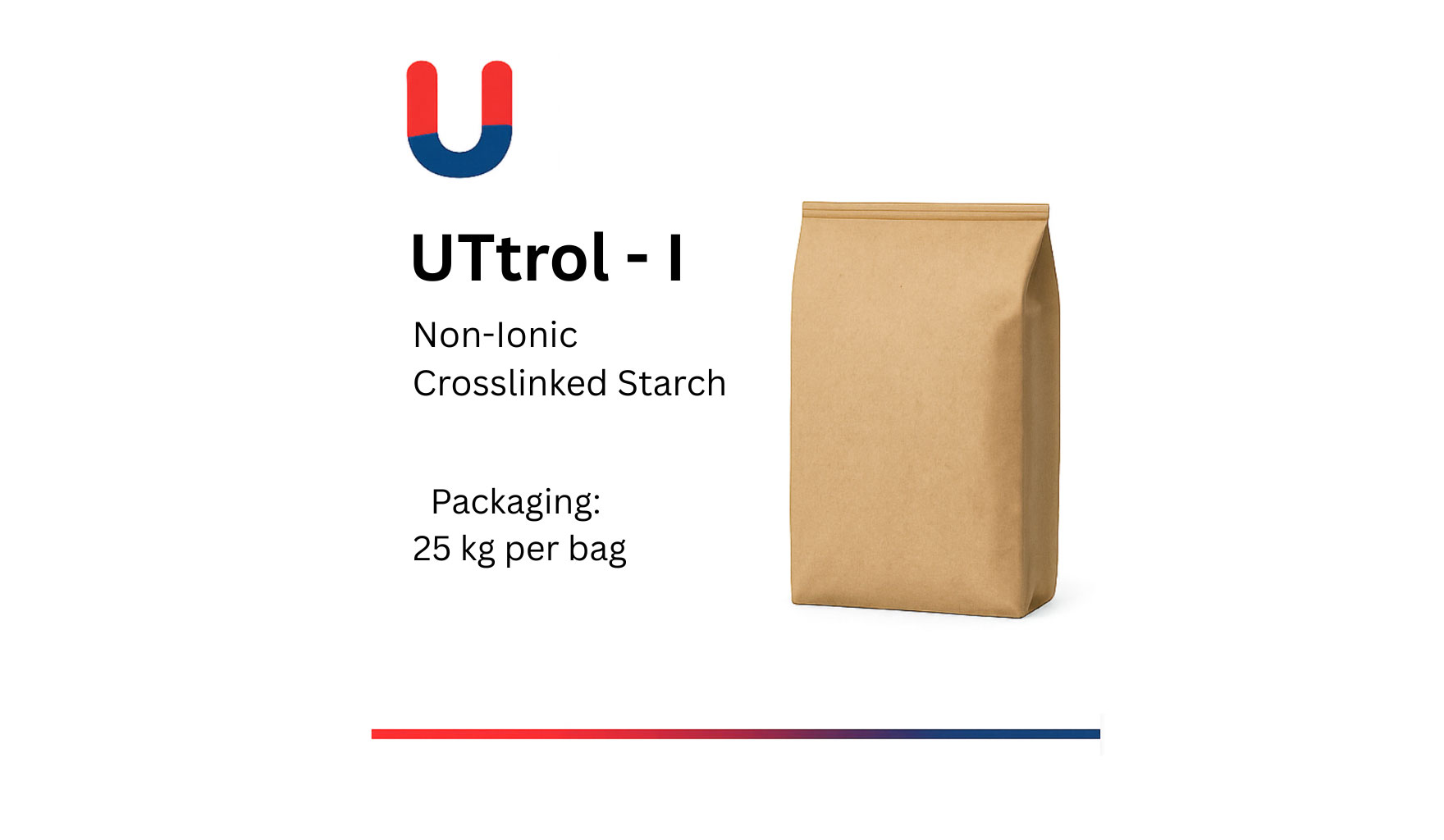
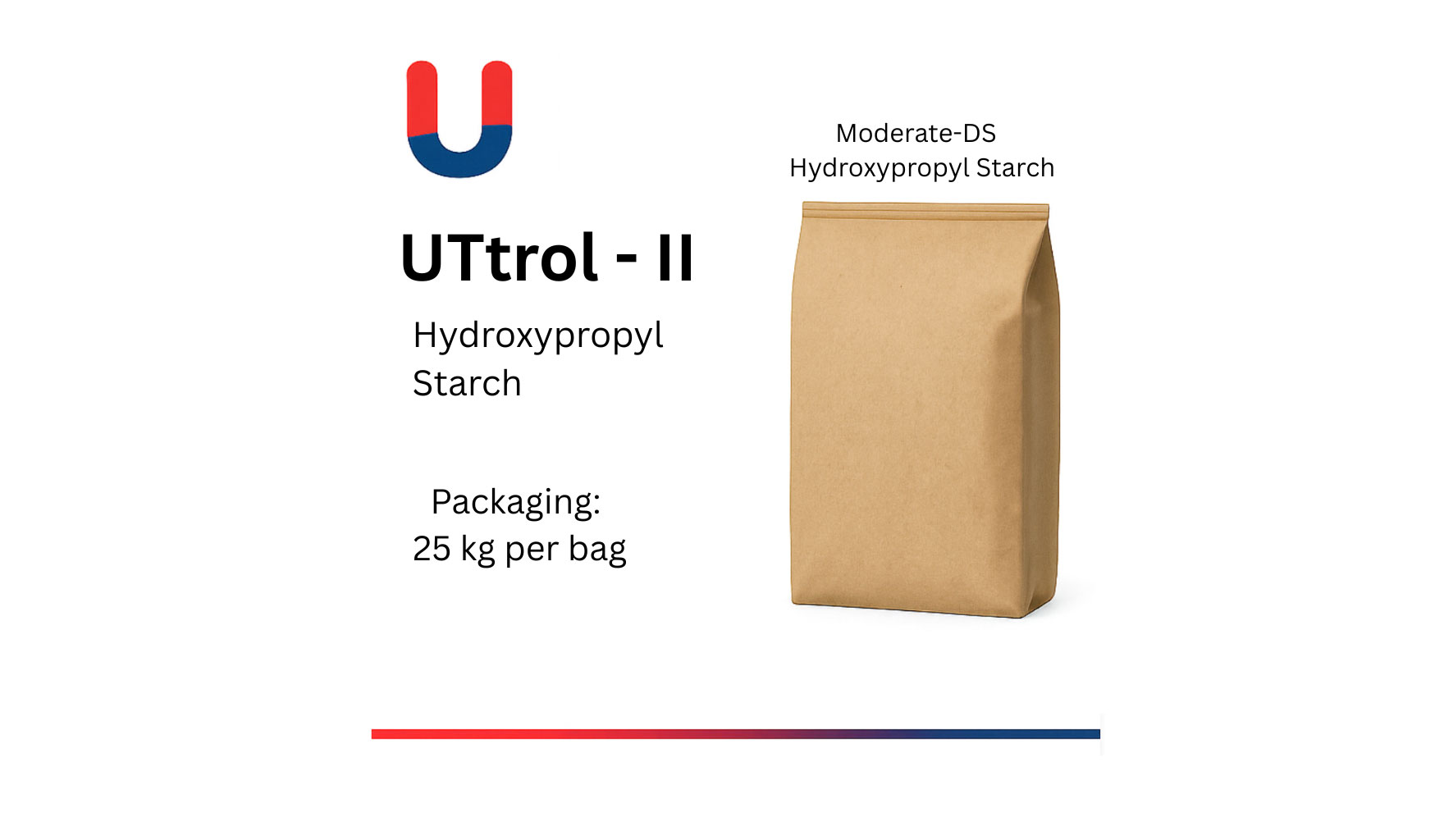
If the results indicate insufficient filtration control, evaluate an appropriate fluid loss control additive, such as polyanionic cellulose (PAC), carboxymethyl cellulose (CMC), or a suitable modified starch.
The correct choice depends on the mud system, temperature, salinity, calcium concentration, rheological requirements, and target filtration performance.
Where contamination or poor solids control is responsible, correcting the underlying problem may be more effective than increasing polymer concentration alone.
For a detailed comparison of filtration-control materials, see our guide to Fluid Loss Control Additives in Drilling Fluids: Types, Functions, Selection and Applications.
2. Excessive Viscosity and Gel Strength
Symptoms
Excessive viscosity or gel strength can increase circulating pressure, affect equivalent circulating density (ECD), and make mud circulation and solids management more difficult.
High viscosity may also increase the energy required for pumping. Excessively strong gels can create additional pressure requirements when circulation resumes after a static period.
However, the appropriate rheological profile depends on the well geometry, fluid density, drilling rate, flow conditions, and hole-cleaning requirements.
Possible causes
Excessive viscosifier or polymer treatment.
Accumulation of drilled solids.
Changes in clay hydration or dispersion.
Salt, calcium, cement, or other contamination.
Inappropriate interaction between polymers and other additives.
Changes in temperature or fluid composition.
What to check
Evaluate the complete rheological profile rather than relying on one viscosity reading.
Relevant measurements may include:
Plastic viscosity (PV).
Yield point (YP).
Gel strength at the applicable measurement intervals.
Low-shear-rate viscosity where relevant.
Mud density and solids content.
pH, salinity, and contamination indicators.
Compare current results with the previous mud report and the original formulation. A sudden change may indicate contamination or solids accumulation rather than a simple shortage or excess of one additive.
Corrective actions
If excessive low-gravity solids are contributing to high viscosity, review the solids-control process before increasing chemical treatment.
If the problem is caused by excessive polymer concentration, evaluate a controlled reduction in treatment or a suitable formulation adjustment.
If contamination is suspected, identify the contaminant and assess its effect on the specific mud system. A dispersant or other treatment chemical may be appropriate in some systems, but selection and dosage should be based on compatibility testing.
For more information about managing flow behavior, see Rheology Modifiers in Drilling Fluids: Types, Functions, Selection and Applications.
3. Low Viscosity and Poor Cuttings Suspension
Symptoms
Low viscosity or insufficient low-shear rheology may reduce the ability of a drilling fluid to suspend solids under certain conditions. Possible consequences include inadequate cuttings transport, solids settling, or changes in the distribution of weighting materials.
However, low viscosity alone does not establish that hole cleaning is inadequate. Annular velocity, well inclination, flow regime, cuttings characteristics, and other factors also matter.
Possible causes
Insufficient viscosifier concentration.
Inadequate polymer hydration or dispersion.
Dilution with makeup water.
Polymer degradation under operating conditions.
Changes in salinity or other aspects of water chemistry.
An unsuitable balance between rheology, density, and solids loading.
What to check
Review the rheology data, mud density, dilution history, polymer treatment, and mixing procedure.
Determine whether the change is associated with a recent addition of water, a change in formation conditions, or a reduction in polymer performance after aging.
Where cuttings transport is the main concern, also evaluate flow rate, annular velocity, hole inclination, and the quantity of drilled solids entering the system.
Corrective actions
Where the mud genuinely requires additional viscosification, select a suitable viscosifier or rheology modifier based on the target flow behavior.
Xanthan gum, bentonite, and other suitable materials may be considered depending on the formulation. Their effects are not interchangeable, and the selected product should provide the required suspension or low-shear rheology without causing unacceptable increases in circulating pressure or ECD.
If poor hydration or dilution is responsible, correct the preparation or fluid-management procedure before making further chemical adjustments.
4. Shale Hydration, Dispersion, and Wellbore Instability
Symptoms
Reactive formations may exhibit swelling, dispersion, sloughing, or other forms of wellbore instability when exposed to an unsuitable drilling-fluid environment.
Possible operational indicators include increased cavings, deteriorating cuttings condition, changes in hole-cleaning requirements, and irregular wellbore geometry.
These symptoms are not unique to shale hydration. Mechanical instability, inadequate mud weight, stress conditions, and drilling practices may produce similar problems.
Possible causes
Reactive clay minerals in the formation.
Inadequate inhibition for the formation being drilled.
Unsuitable salinity or water chemistry.
Insufficient encapsulation or other required polymer functions.
Excessive filtrate invasion.
Inadequate mud weight or unfavorable mechanical conditions.
What to check
Review formation mineralogy where available, wellbore conditions, cavings characteristics, mud weight, filtration performance, and the current inhibition system.
Assess the chemistry of the water phase and whether the selected inhibitor remains effective under the expected temperature and contamination conditions.
Where appropriate, laboratory shale recovery, dispersion, or other inhibition tests can help compare candidate systems.
Corrective actions
For reactive shale formations, the treatment strategy may involve a suitable inhibitor, an appropriate polymer system, and improved filtration control.
Potassium chloride (KCl), PHPA, polyamine inhibitors, and other inhibition technologies may be considered according to formation characteristics and system requirements. They should not be treated as universally interchangeable solutions.
The selected system must be compatible with the rest of the mud formulation and should be validated using relevant laboratory tests.
If wellbore instability is related to mud weight, formation stress, or other mechanical factors, changing additives alone may not resolve the problem.
5. Salt, Calcium, and Cement Contamination
Symptoms
Contamination can cause sudden or progressive changes in viscosity, gel strength, filtration, pH, and other mud properties.
The effects vary according to the contaminant and the original formulation. A response that is appropriate for one type of contamination may be ineffective or harmful for another.
Common contamination sources
Salt-bearing formations.
Hard makeup water.
Calcium-containing formation materials.
Cement or cement slurry.
Drilled solids and other materials introduced during operations.
What to check
Measure the relevant contamination indicators and compare them with the baseline mud properties.
Depending on the suspected source, these may include chloride concentration, calcium or total hardness, pH, alkalinity, rheology, and filtration.
Also review the timing of the change. A sudden rheological shift after cement exposure, for example, warrants a different investigation from a gradual change associated with increasing drilled-solids loading.
Corrective actions
Treatment depends on the contaminant, its concentration, and the mud system.
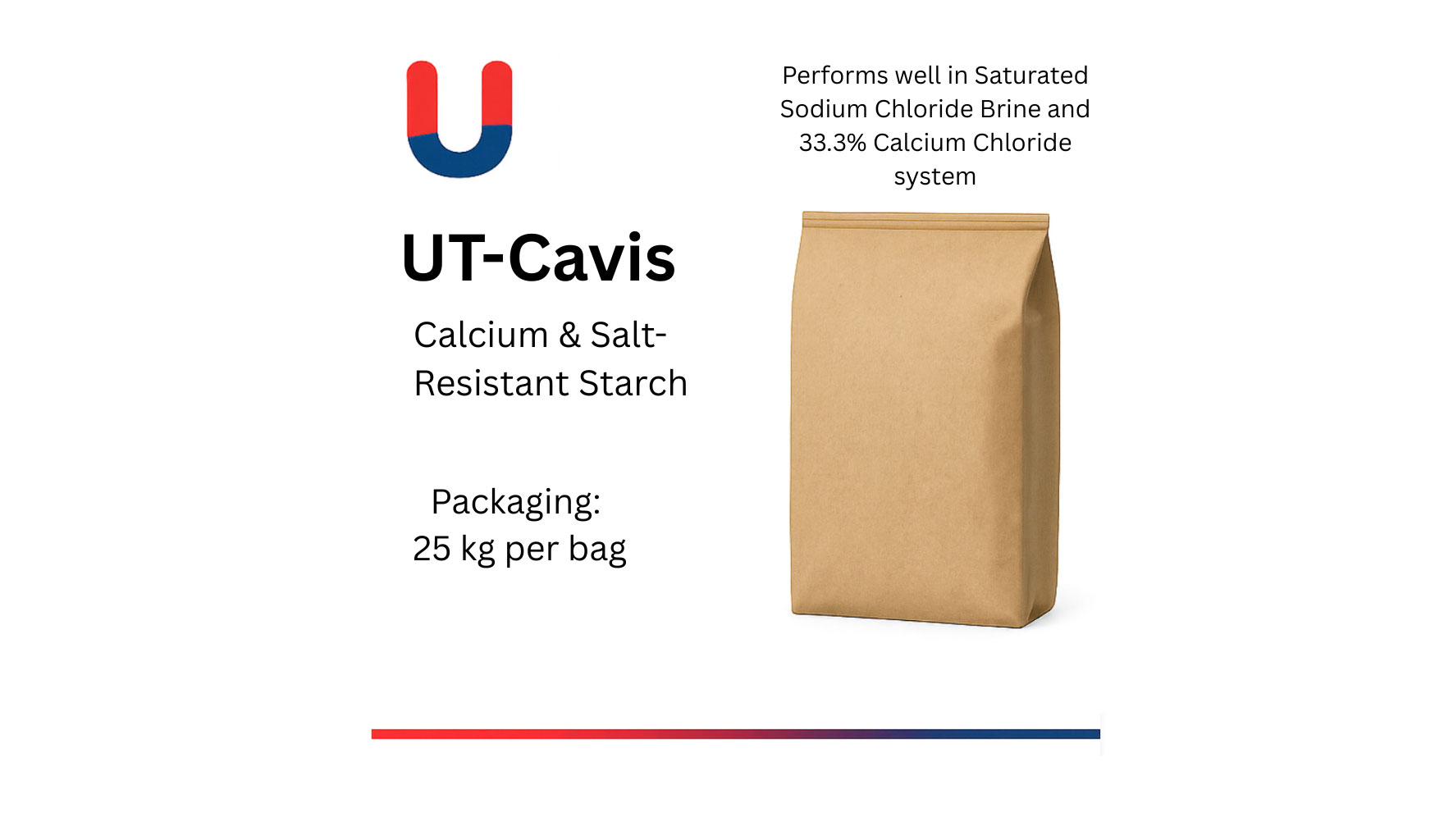
For salt or calcium contamination, evaluate the response of the existing polymer and clay system before selecting a compatible treatment. Certain additives may tolerate ionic conditions better than others, but performance is grade-dependent.
For cement contamination, identify the extent of contamination and assess the appropriate pH, alkalinity, and chemical-treatment strategy for the specific system.
Avoid applying a generic treatment dosage without confirming the contaminant level and evaluating the response through representative tests.
6. Poor Cuttings Transport and Hole Cleaning
Symptoms
Poor hole cleaning can lead to cuttings accumulation, increased drag, elevated torque, pack-off risk, or other operational difficulties.
A fluid may have acceptable viscosity measurements and still deliver inadequate hole cleaning under the actual drilling conditions.
Possible causes
Insufficient annular velocity.
An unsuitable rheological profile for the well geometry.
High drilling rate and increased cuttings loading.
High-angle or horizontal well sections.
Poor solids-control performance.
Inadequate circulation or operational practices.
What to check
Assess the complete hole-cleaning system, including:
Pump rate and annular velocity.
Well inclination and annular geometry.
Rate of penetration and cuttings loading.
Rheology under relevant conditions.
Cuttings size, shape, and transport behavior.
Shaker and other solids-control performance.
Operational indicators should be evaluated alongside mud measurements rather than interpreted in isolation.
Corrective actions
Depending on the diagnosis, possible measures include adjusting circulation parameters, improving solids control, optimizing rheology, and reviewing drilling practices.
If the rheological profile is inadequate, a suitable viscosifier or rheology modifier may help. However, increasing viscosity without considering circulating pressure, ECD, and other hydraulic limitations may create additional problems.
The objective is effective cuttings transport within the operating limits of the well, not simply achieving a higher viscosity reading.
7. Excessive Torque and Drag
Symptoms
Increasing torque and drag may indicate frictional resistance, poor hole cleaning, wellbore instability, or other mechanical and operational problems.
Lubricity is one factor, but it should not be assumed to be the primary cause before the wider drilling conditions are assessed.
Possible causes
Inadequate hole cleaning or cuttings accumulation.
Poorly conditioned filter cake.
Wellbore instability or irregular hole geometry.
Unsuitable lubricity for the drilling application.
Excessive solids or changes in mud properties.
Mechanical factors unrelated to the drilling-fluid formulation.
What to check
Review torque and drag trends alongside drilling parameters, cuttings returns, hole-cleaning performance, rheology, filtration, and well geometry.
If the problem persists despite acceptable mud properties, investigate mechanical and formation-related causes before making further chemical adjustments.
Corrective actions
Where inadequate lubricity is confirmed, a compatible lubricant may help reduce friction. Its suitability should be evaluated for the specific water-based system and the required performance.
Also assess whether improved hole cleaning, filtration control, or other corrective measures are needed.
A lubricant should not be treated as a substitute for resolving cuttings accumulation, wellbore instability, or mechanical problems.
8. A Step-by-Step Water-Based Drilling Fluid Troubleshooting Process
A structured troubleshooting process helps distinguish between a true additive-performance problem and an issue caused by contamination, solids loading, or drilling conditions.
Step 1: Confirm the abnormal condition
Identify which parameter has changed and quantify the deviation from the operating target or previous mud report.
Check whether the measurement is repeatable and whether the sample represents the current circulating fluid.
Step 2: Review recent changes
Document recent additions, dilution, formation changes, temperature exposure, contamination events, and changes in drilling parameters.
This information helps narrow the range of possible causes.
Step 3: Test the relevant properties
Select tests according to the suspected problem. These may include rheology, filtration, mud density, pH, salinity, calcium concentration, solids content, or inhibition performance.
Use the applicable field or laboratory test procedures and compare results under consistent conditions.
Step 4: Identify the most likely cause
Separate chemical-treatment issues from mechanical, hydraulic, formation-related, and solids-control problems.
Where multiple causes are possible, prioritize the explanations supported by the available measurements.
Step 5: Evaluate a corrective treatment
Where a chemical adjustment is justified, test the candidate additive or treatment strategy using a representative mud sample.
Change variables systematically where practical so that the cause of any performance improvement or deterioration can be identified.
Step 6: Verify the complete mud system
Confirm that the treatment improves the target property without creating unacceptable changes in rheology, filtration, density, inhibition, or other critical parameters.
For demanding applications, include appropriate thermal-aging, contamination, or other specialized tests.
Step 7: Monitor field performance
Record the treatment, dosage, mixing procedure, test results, and subsequent field response.
If the expected improvement does not occur, reassess the diagnosis rather than continuing to increase the treatment concentration without evidence.
9. How to Select the Right Additives for Water-Based Drilling Fluid Problems
Different problems require different treatment strategies. The following table provides a starting point for technical evaluation.
Diagnosed requirement | Additive category to evaluate | Important considerations |
Filtration control | PAC, CMC, modified starch, or other suitable fluid loss additives | Filtration results, filter cake, temperature, salinity and calcium |
Insufficient viscosity or suspension | Suitable viscosifiers or rheology modifiers | Low-shear rheology, solids loading, pumpability and ECD |
Reactive shale | Suitable shale inhibitors and compatible polymer systems | Formation mineralogy, inhibition performance and water chemistry |
Contamination-related changes | A treatment compatible with the identified contaminant and mud system | Contaminant concentration, pH, polymer response and test results |
Excessive friction | Compatible lubricant where appropriate | Lubricity, filtration, wettability and system compatibility |
Multiple interacting problems | A balanced additive package | Complete formulation, mixing procedure and performance trade-offs |
The selection process should begin with the diagnosed problem, not a predetermined product.
For a broader selection framework, see How to Choose Drilling Fluid Additives: A Practical Selection Guide for Oil & Gas Drilling.
For an overview of how the different functional components fit into a water-based mud system, refer to Water-Based Drilling Fluid Additives: Types, Functions & System Design.
Conclusion
Water-based drilling fluid problems rarely have one universal solution. High fluid loss, abnormal rheology, shale instability, contamination, poor hole cleaning, and excessive torque or drag can result from different combinations of chemical, hydraulic, formation-related, and operational factors.
The most reliable troubleshooting strategy is to identify the abnormal condition, review the operating history, measure the relevant properties, determine the likely cause, and validate the corrective action.
Drilling fluid additives can help restore or improve performance when they are selected for a clearly defined requirement. However, successful treatment depends on the complete mud formulation and the conditions under which it operates.
For drilling fluid manufacturers, mud service companies, and drilling operators, a systematic diagnostic approach can support more effective product selection, reduce unnecessary chemical treatment, and improve the consistency of drilling-fluid performance.
Need help evaluating additives for a specific water-based drilling fluid system? Contact our team with your mud type, density, temperature, salinity, calcium concentration, current rheology, filtration results, and the problem you are trying to resolve. These details provide a more useful starting point for discussing suitable product grades and a relevant testing plan.
Frequently Asked Questions
What are the most common water-based drilling fluid problems?
Common problems include high fluid loss, abnormal viscosity or gel strength, poor cuttings transport, shale instability, salt or calcium contamination, and excessive torque and drag. The causes vary with the mud formulation, formation, and drilling conditions.
How can high fluid loss in water-based drilling fluid be reduced?
First evaluate filtration results, filter cake quality, polymer performance, water chemistry, and solids loading. A suitable PAC, CMC, modified starch, or other filtration-control additive may help when the formulation requires additional fluid loss control. The treatment should be validated under representative conditions.
Why does drilling mud viscosity increase suddenly?
Possible causes include drilled-solids accumulation, excessive polymer treatment, clay hydration, contamination, or changes in water chemistry. Compare PV, YP, gel strength, solids content, and contamination indicators with previous measurements before deciding on corrective treatment.
How can shale instability be controlled in water-based drilling fluids?
The treatment strategy may involve a suitable shale inhibitor, compatible polymers, appropriate filtration control, and a mud weight that meets the well's requirements. Formation mineralogy, mechanical stability, and operating conditions must also be considered.
How does calcium contamination affect water-based drilling fluids?
Calcium can affect clay and polymer behavior, potentially changing rheology and filtration performance. The effect depends on the concentration, additive chemistry, and overall formulation. Measure the contamination and evaluate a compatible treatment rather than applying a generic dosage.
Can adding more polymer solve drilling fluid problems?
Not necessarily. More polymer may improve a specific property in some circumstances, but it can also increase viscosity, alter gel strength, or create other formulation problems. Confirm the underlying cause and test the proposed dosage before applying it in the field.
How often should water-based drilling fluid properties be checked?
Testing frequency depends on the drilling program, fluid system, operating conditions, and applicable procedures. Rheology, density, filtration, and other relevant properties should be monitored at a frequency appropriate to the operational risks, with additional testing when contamination or abnormal behavior is suspected.