

Primary emulsifiers are the main chemicals responsible for creating and maintaining the water-in-oil (W/O) emulsion structure in oil-based mud (OBM) systems.
Secondary emulsifiers are supporting additives that strengthen the emulsion, improve electrical stability (ES), enhance solids oil-wetting, and help maintain performance under contamination and high-temperature conditions.
In simple terms:
· Primary emulsifier = builds the emulsion
· Secondary emulsifier = strengthens and protects the emulsion
A high-performance OBM system typically requires both.
Oil-based drilling fluids rely on stable water-in-oil emulsions to achieve:
· Wellbore stability
· Shale inhibition
· Lubrication
· Electrical stability (ES)
· Fluid loss control
· Suspension of weighting materials
Without a properly designed emulsifier system, drilling fluids may experience:
· Emulsion breakdown
· Water separation
· Rapid ES decline
· Poor rheological performance
· Reduced contamination tolerance
· High-temperature instability
For this reason, emulsifiers are among the most critical additives in any OBM formulation.
One of the most common misconceptions is that a single emulsifier can perform all functions within an OBM system.
In practice, modern oil-based mud formulations typically use both primary and secondary emulsifiers because each serves a different purpose.
The system may:
· Form an initial emulsion successfully
· Achieve acceptable ES values initially
· Exhibit weaker long-term stability
· Become more sensitive to contamination
· Experience reduced performance under high temperatures
The system may:
· Struggle to form a stable emulsion
· Show poor emulsion structure
· Deliver inconsistent fluid performance
Most commercial OBM systems combine primary and secondary emulsifiers to balance:
· Emulsion formation
· ES retention
· Thermal stability
· Solids wetting
· Contamination resistance
The two products are designed to work together rather than replace one another.
Primary emulsifiers are the main surfactants responsible for establishing the water-in-oil emulsion.
Their primary function is to reduce interfacial tension between oil and water, allowing water droplets to disperse uniformly throughout the continuous oil phase.
· Create water-in-oil emulsion structure
· Disperse internal water phase
· Build initial ES
· Support emulsion integrity
· Provide the foundation for fluid stability
· Strong emulsification capability
· Significant contribution to initial ES
· Effective water droplet dispersion
· Essential for system formation
Primary emulsifiers are often based on amidoamine, fatty acid, or related surfactant chemistries.
When primary emulsifier performance becomes insufficient:
· Water separation increases
· Emulsion structure weakens
· ES declines
· Fluid performance deteriorates rapidly
In severe cases, the entire mud system may require reformulation.
Secondary emulsifiers are co-emulsifiers designed to improve and maintain emulsion performance after the primary structure has been established.
Rather than creating the emulsion, they reinforce it.
· Improve emulsion tightness
· Increase ES retention
· Enhance contamination tolerance
· Improve oil-wetting of solids
· Support thermal stability
· Reduce emulsion degradation
· Lower emulsification strength than primary emulsifiers
· Better long-term stabilization capability
· Stronger performance under thermal stress
· Improved solids-wetting characteristics
Secondary emulsifiers are commonly based on polyamide and modified fatty-acid chemistries.
Think of the secondary emulsifier as a performance enhancer that helps the emulsion survive challenging drilling conditions.
Feature | Primary Emulsifier | Secondary Emulsifier |
Main Role | Create emulsion | Stabilize emulsion |
Function Stage | Initial system formation | Performance optimization |
Emulsification Strength | High | Moderate |
ES Contribution | Direct and significant | Supportive and long-term |
Thermal Stability | Moderate | Typically higher |
Solids Wetting | Moderate | Strong |
Contamination Tolerance | Moderate | Higher |
Failure Impact | Emulsion breakdown | Gradual performance decline |
In a properly designed OBM system, both emulsifiers operate through a complementary mechanism.
The primary emulsifier creates and stabilizes water droplets within the oil phase.
The secondary emulsifier strengthens the protective film around water droplets.
The secondary emulsifier helps the system withstand:
· Temperature exposure
· Solids contamination
· Mechanical shear
· Long drilling intervals
The combined system typically delivers:
· Higher ES retention
· Better rheology stability
· Improved contamination resistance
· Enhanced HTHP performance
This synergistic effect explains why most commercial OBM formulations rely on both products.
Technically, yes.
Practically, it is rarely recommended.
Single-emulsifier systems may function under limited operating conditions but often struggle when exposed to:
· High temperatures
· Cement contamination
· Formation water intrusion
· High solids loading
· Extended drilling intervals
For this reason, dual-emulsifier systems remain the industry standard for most demanding drilling applications.
Additional primary emulsifier may be considered when:
Symptom | Possible Reason |
Visible water separation | Insufficient emulsion structure |
Poor initial emulsion formation | Low primary emulsifier concentration |
Weak bottle-test results | Emulsion film deficiency |
Newly built system lacks stability | Inadequate primary treatment |
However, dosage adjustments should always be supported by laboratory evaluation.
Additional secondary emulsifier may be considered when:
Symptom | Possible Reason |
ES retention declines after aging | Insufficient stabilization |
Poor oil-wetting of solids | Weak solids-wetting performance |
High-temperature instability | Inadequate thermal protection |
Increased contamination sensitivity | Limited emulsifier reserve |
Rheology instability after contamination | Weak emulsion reinforcement |
Secondary emulsifier adjustments are often used to fine-tune system performance after the primary emulsion has already been established.
When emulsion performance declines, the root cause is not always obvious. The following symptoms can help identify whether the issue is more likely related to the primary or secondary emulsifier.
Field Symptom | Likely Cause | Recommended Action |
Water separation immediately after mixing | Insufficient primary emulsifier | Increase primary emulsifier and rebuild the emulsion |
Poor bottle-test performance | Weak initial emulsion structure | Review primary emulsifier concentration |
ES drops significantly after hot-roll aging | Insufficient secondary emulsifier | Increase secondary emulsifier and repeat aging test |
Poor oil-wetting of barite or drill cuttings | Inadequate secondary emulsifier | Increase secondary emulsifier or evaluate wetting agent |
Rheology becomes unstable after contamination | Reduced emulsion reinforcement | Optimize secondary emulsifier treatment |
Persistent instability despite adequate emulsifier | Multiple factors | Evaluate lime, water ratio, contamination level, and solids content |
Although these field symptoms provide useful guidance, laboratory testing remains the most reliable method for determining the appropriate treatment.
High-temperature environments place significant stress on emulsifier systems.
The following comparison illustrates general performance trends:
Property | Primary Emulsifier | Secondary Emulsifier |
Initial Emulsification | High | Moderate |
ES Retention After Aging | Moderate | High |
Thermal Stability | Moderate | High |
Contamination Resistance | Moderate | High |
Long-Term Performance | Moderate | High |
For wells exceeding 150°C, secondary emulsifier performance becomes increasingly important.
Professional evaluation should extend beyond simple ES measurements.
Common laboratory tests include:
Test | Purpose |
Electrical Stability (ES) | Emulsion strength |
Hot Rolling Aging | Thermal stability |
HTHP Fluid Loss | Filtration control |
Rheology Testing | Flow behavior |
Sag Evaluation | Suspension performance |
Contamination Testing | System robustness |
A complete evaluation provides a more accurate understanding of emulsifier performance under actual drilling conditions.
A drilling operation encountered declining ES values after prolonged exposure to bottom-hole temperatures above 160°C.
· Initial ES exceeded 1,100 V
· ES dropped below 550 V after aging
· No significant water contamination detected
Laboratory testing confirmed that the primary emulsifier remained effective, but the secondary emulsifier reserve was insufficient for extended thermal exposure.
· Increased secondary emulsifier treatment level
· Conducted additional hot-roll validation testing
· ES retention improved significantly
· Emulsion stability increased
· Fluid-loss performance remained stable
The project demonstrated the critical role of secondary emulsifiers in maintaining long-term thermal stability.
Choosing an emulsifier based solely on product price may increase the risk of inconsistent drilling fluid performance. A reliable supplier should be able to provide not only chemicals, but also technical support throughout the drilling project.
When evaluating suppliers, consider whether they can offer:
· Laboratory formulation optimization
· Compatibility testing with different base oils
· Hot-roll aging reports
· Electrical Stability (ES) performance data
· Technical recommendations for contamination control
· Customized emulsifier packages for specific drilling environments
For operators working in high-temperature, high-pressure (HTHP), or contamination-prone wells, technical support is often as important as the chemical product itself.
Before selecting an emulsifier system, consider asking:
Is the system validated above 150°C?
What ES values are achieved after hot-roll aging?
What contamination tolerance testing has been performed?
Which base oils have been evaluated?
Are laboratory reports available?
Can the formulation be customized for specific drilling conditions?
Reliable suppliers should be able to provide technical data supporting product performance.
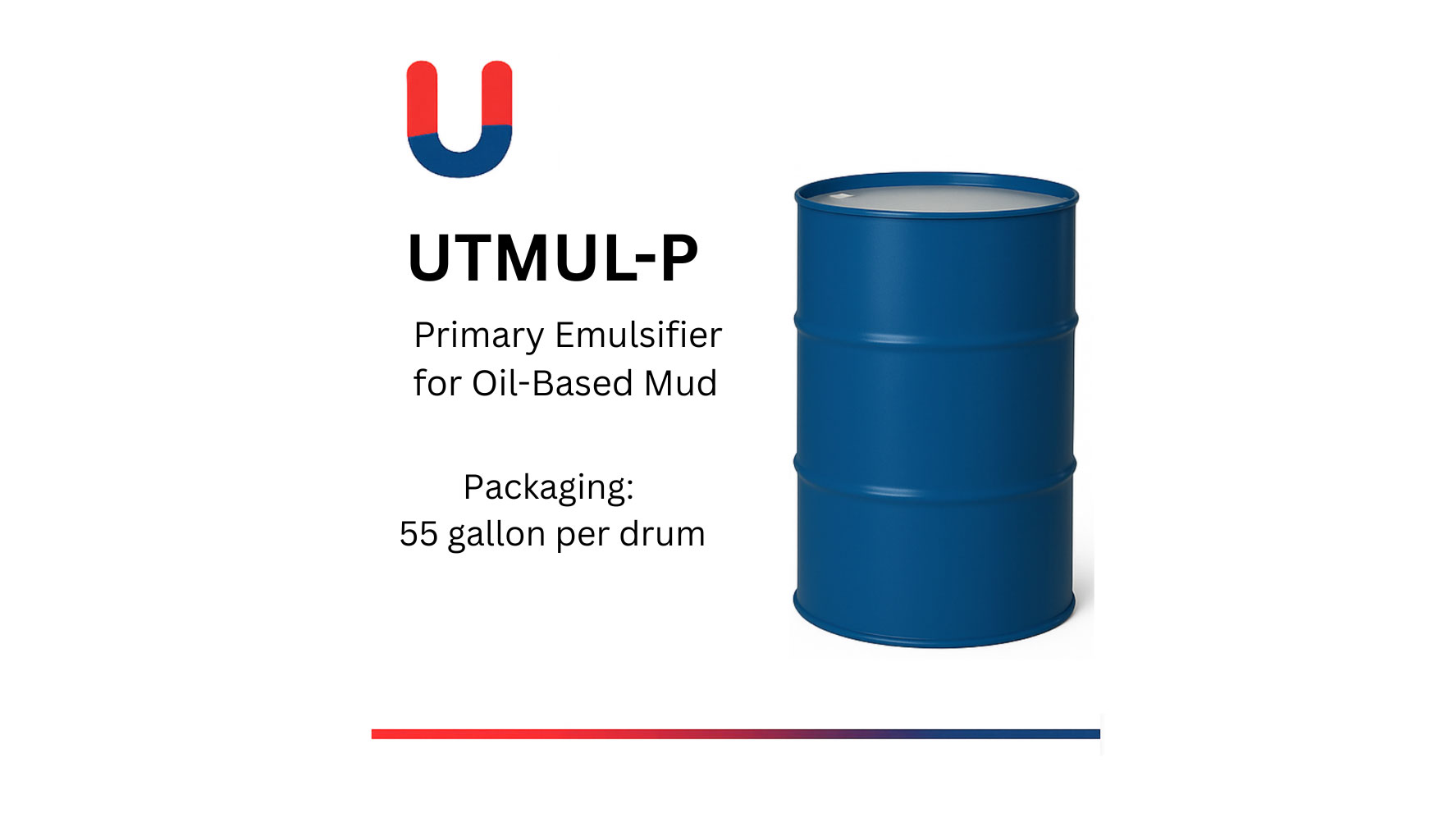
Primary Emulsifier for Oil-Based Mud Product Code: Dynamul-P Packing:55 Gallon / Drum Excellent emulsification across multiple base oils, High ES & low HTHP filtration, Stable up to 180°C |
|
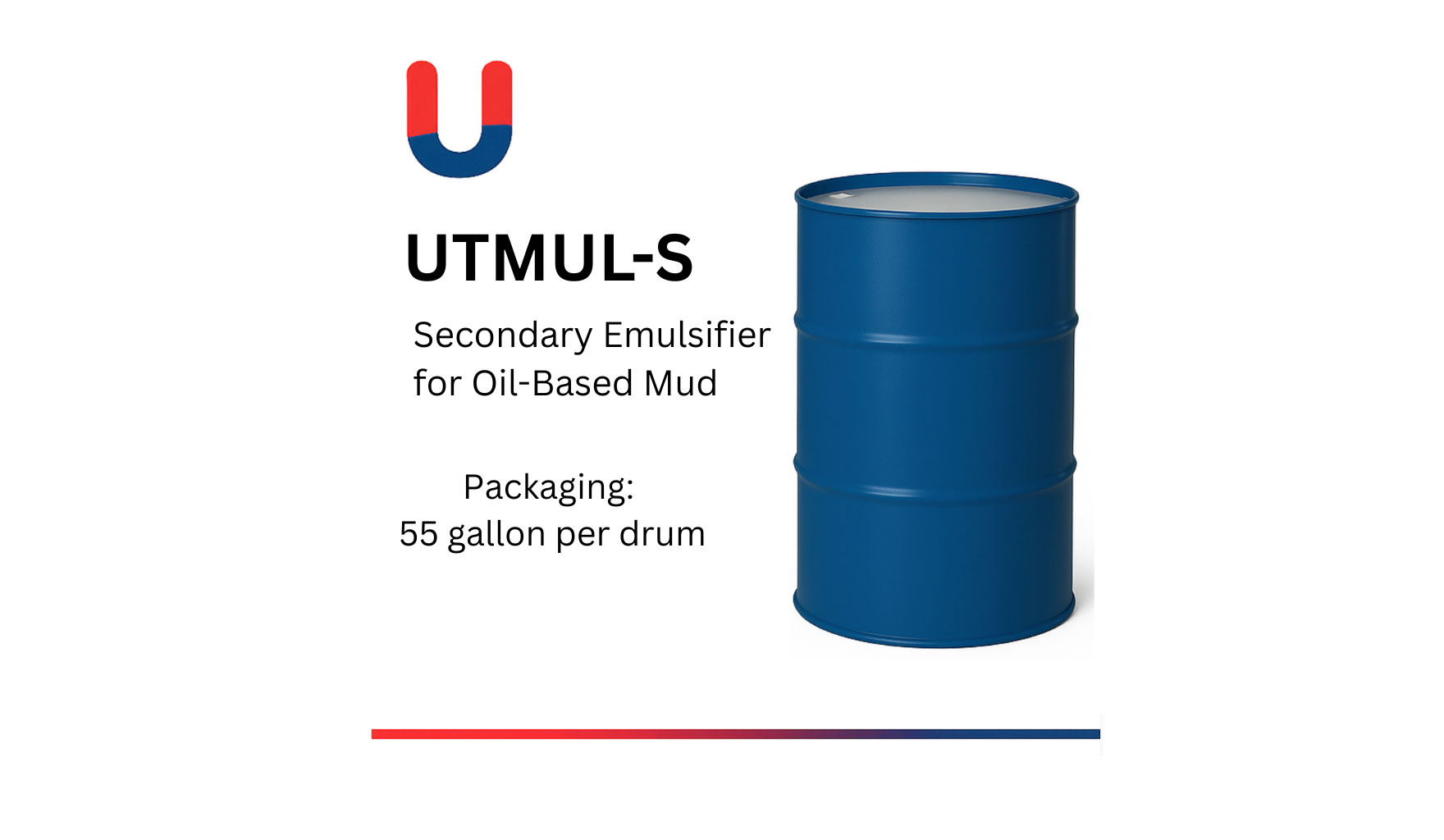
| Secondary Emulsifier for Oil-Based Mud Product Code: Dynamul-S Packing: 55 gallon/drum Works synergistically with primary emulsifiers, Stable performance up to 180°C |
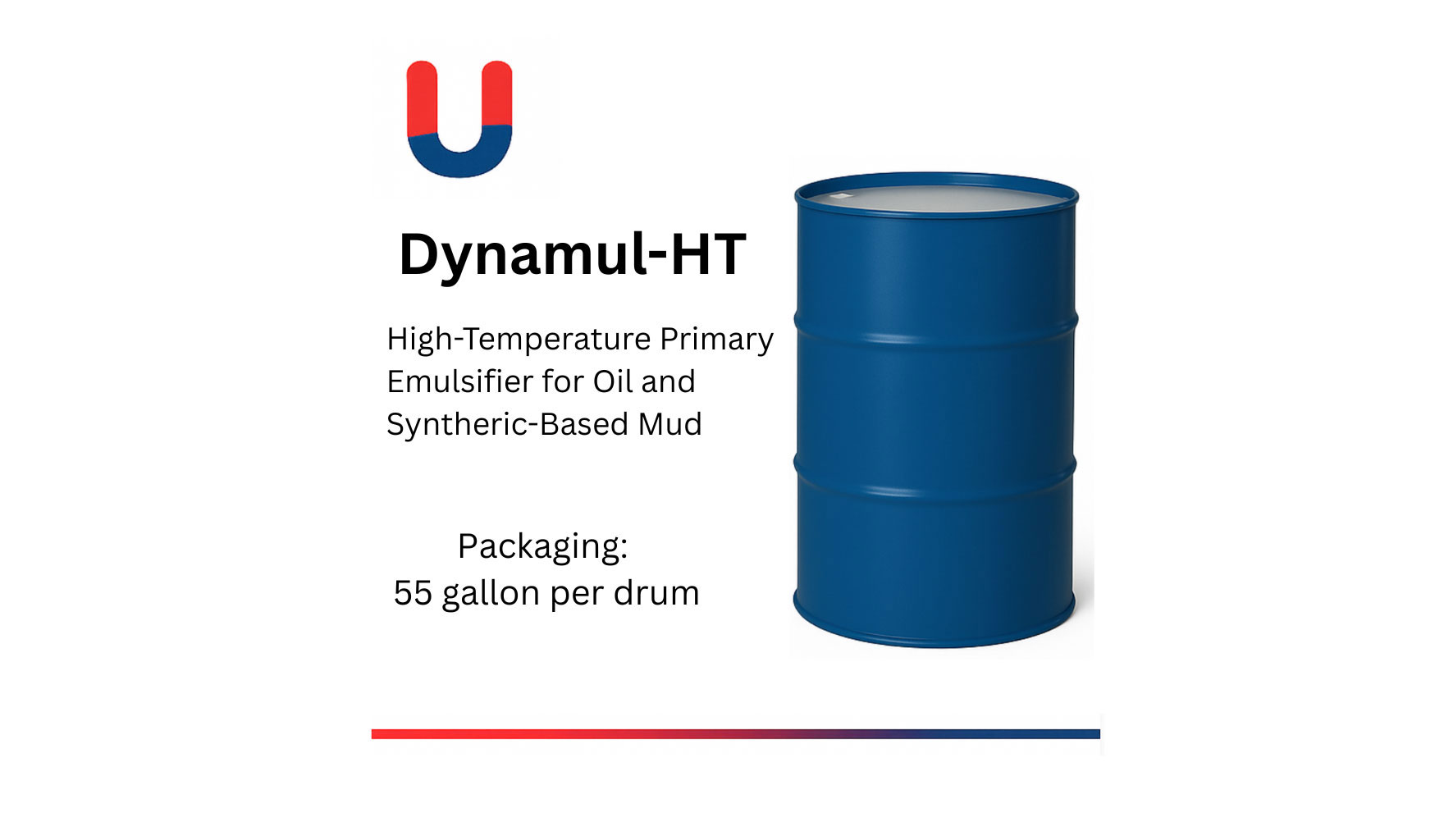
High-Temperature Primary Emulsifier for Oil and Syntheric-Based Mud Product Code: Dynamul-HT Packing: 55 gallon per drum |
|
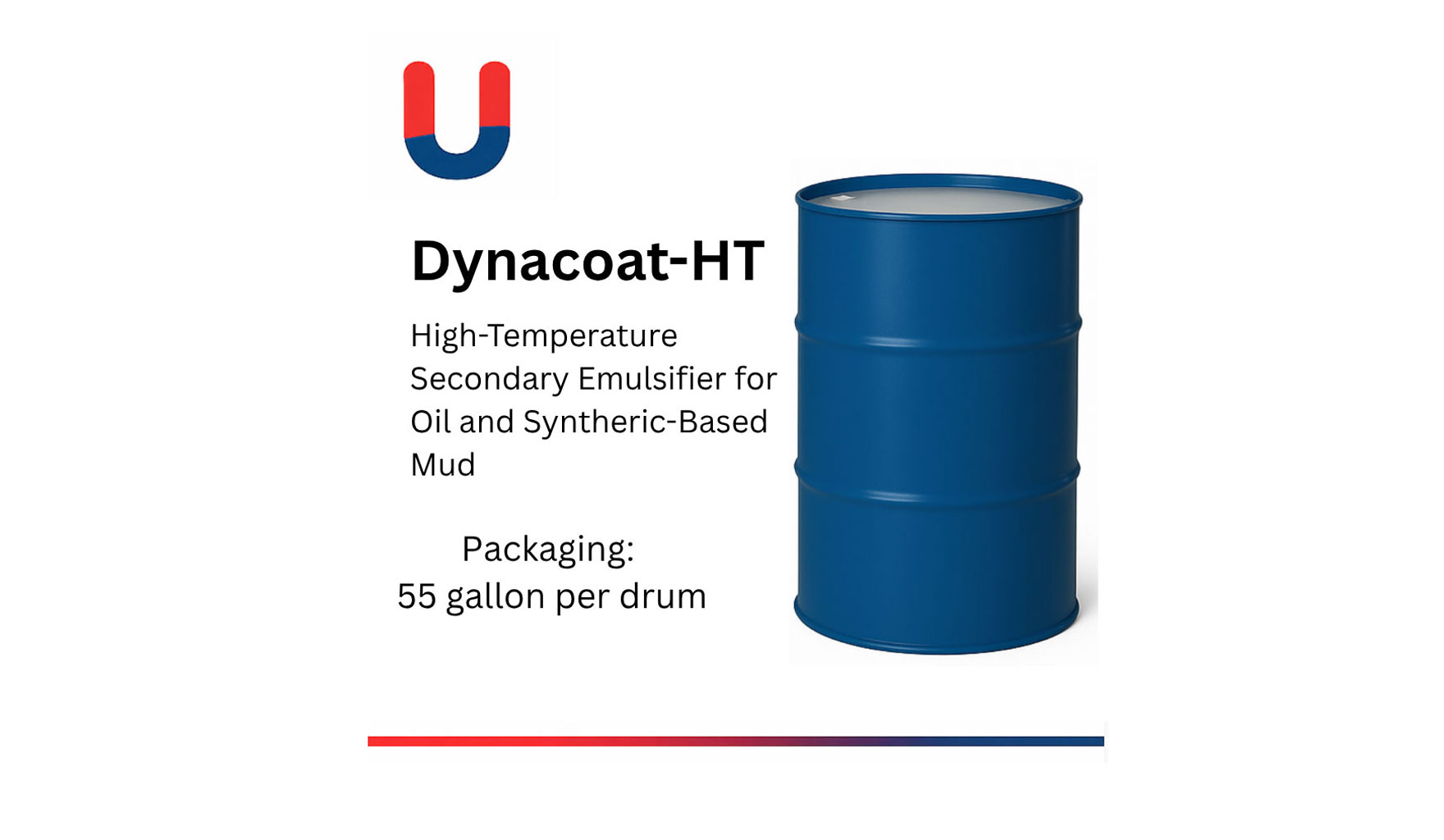
| High-Temperature Secondary Emulsifier for Oil and Syntheric-Based Mud Product Code: Dynacoat-HT Packing: 55 gallon per drum |
Primary and secondary emulsifiers perform different but complementary roles within oil-based mud systems.
Primary emulsifiers establish the water-in-oil emulsion and create the foundation of fluid stability, while secondary emulsifiers strengthen the emulsion, improve ES retention, enhance contamination tolerance, and support performance under demanding drilling conditions.
Understanding the difference between these two additives helps drilling engineers optimize formulations, troubleshoot fluid-performance issues, and select the most suitable emulsifier systems for specific well conditions.
For most modern OBM applications, the most effective approach is not choosing one over the other—but designing a balanced system that leverages the strengths of both.
· Oil-Based Mud Emulsifiers: Ultimate Guide
· How to Balance Primary and Secondary Emulsifiers in OBM
· What Causes Low Electrical Stability (ES) in Oil-Based Mud and How to Fix It
· Oil-Based Mud Troubleshooting Guide
If you are facing:
· Low ES
· Emulsion instability
· High-temperature drilling challenges
· Contamination issues
· OBM performance optimization requirements
Our technical team can help with:
· Emulsifier selection
· Formulation optimization
· Laboratory testing support
· Field application recommendations
Primary emulsifiers typically provide the initial ES contribution, while secondary emulsifiers help maintain ES over time and under stress.
Excessive treatment may increase chemical costs and potentially affect rheological properties. Laboratory testing should determine optimal treatment levels.
Most modern OBM systems utilize both primary and secondary emulsifiers to achieve balanced performance.
Emulsifiers can improve contamination tolerance, but they cannot eliminate contamination sources. Root-cause analysis remains essential.
Higher temperatures accelerate chemical degradation and often require more thermally stable emulsifier systems.
Not necessarily. ES should be evaluated alongside rheology, fluid loss, suspension properties, and overall drilling fluid performance.