
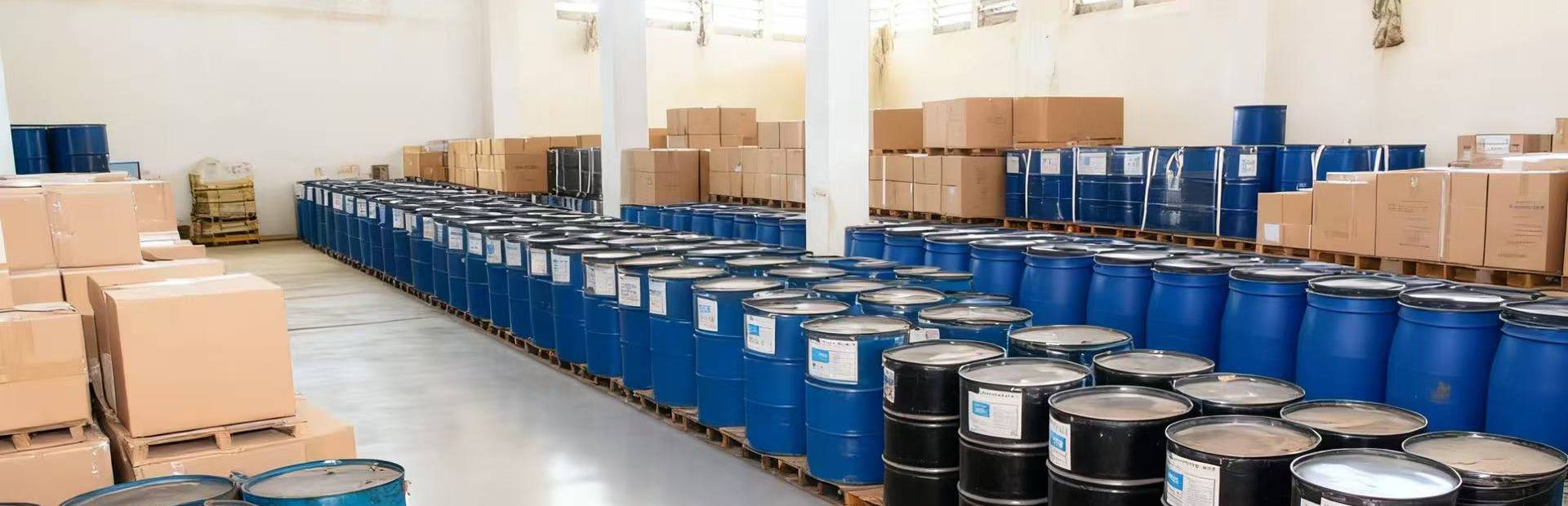
Water-based drilling fluids (WBM) remain the most widely used drilling fluid systems in oil and gas operations due to their adaptability, regulatory acceptance, and formulation flexibility. A properly designed water-based drilling fluid plays a key role in maintaining wellbore stability, controlling formation interaction, transporting cuttings, and supporting safe and efficient drilling operations.
This article explains the fundamental principles of water-based drilling fluid formulation, covering core components, functional mechanisms, formulation logic, and practical considerations.
A water-based drilling fluid is a system in which water serves as the continuous phase, while various additives are incorporated to achieve required physical and chemical properties. Depending on well conditions, water-based fluids may be formulated using freshwater, brine, or seawater.
Compared with oil-based systems, WBM are commonly selected where environmental compliance, ease of handling, and operational simplicity are priorities.
An effective water-based drilling fluid formulation is designed to perform multiple functions simultaneously:
Transport drilled cuttings to the surface
Suspend solids when circulation stops
Maintain wellbore stability
Control formation fluid invasion
Minimize formation damage
Provide cooling and lubrication to drilling tools
Support pressure control and well integrity
Each formulation component contributes to one or more of these functions.
The base fluid typically consists of:
Freshwater
Saltwater or brine
Seawater
Water quality, salinity, and hardness directly influence additive performance and system stability, making base fluid selection a foundational formulation step.
Viscosity control is essential for cuttings transport and suspension.
Common rheology modifiers include:
Bentonite clay
Xanthan gum
Cellulose-based polymers
Synthetic polymers
The selection depends on temperature conditions, solids loading, and desired shear behavior.
Filtration control agents reduce fluid loss into permeable formations and help form a thin, low-permeability filter cake.
Typical additives include:
PAC (polyanionic cellulose)
CMC (carboxymethyl cellulose)
Starch derivatives
Polymer-based fluid-loss reducers
Proper filtration control supports formation protection and wellbore integrity.
In reactive shale formations, inhibition is required to limit clay swelling and dispersion.
Common inhibition approaches involve:
Inorganic salts (e.g., KCl)
Polymer encapsulators
Amine-based or polymeric inhibitors
Inhibitor selection is closely tied to formation mineralogy and water chemistry.
pH control influences additive performance, corrosion behavior, and system stability.
Typical pH control agents include:
Caustic soda
Lime
Buffer systems
Maintaining appropriate alkalinity helps ensure consistent drilling fluid behavior.
Additional additives may be included to address specific operational needs, such as:
Lubricants for torque and drag reduction
Defoamers
Biocides
Corrosion inhibitors
These additives are selected based on well profile and operational challenges.
Click to learn more about water-based mud products:
 |
|
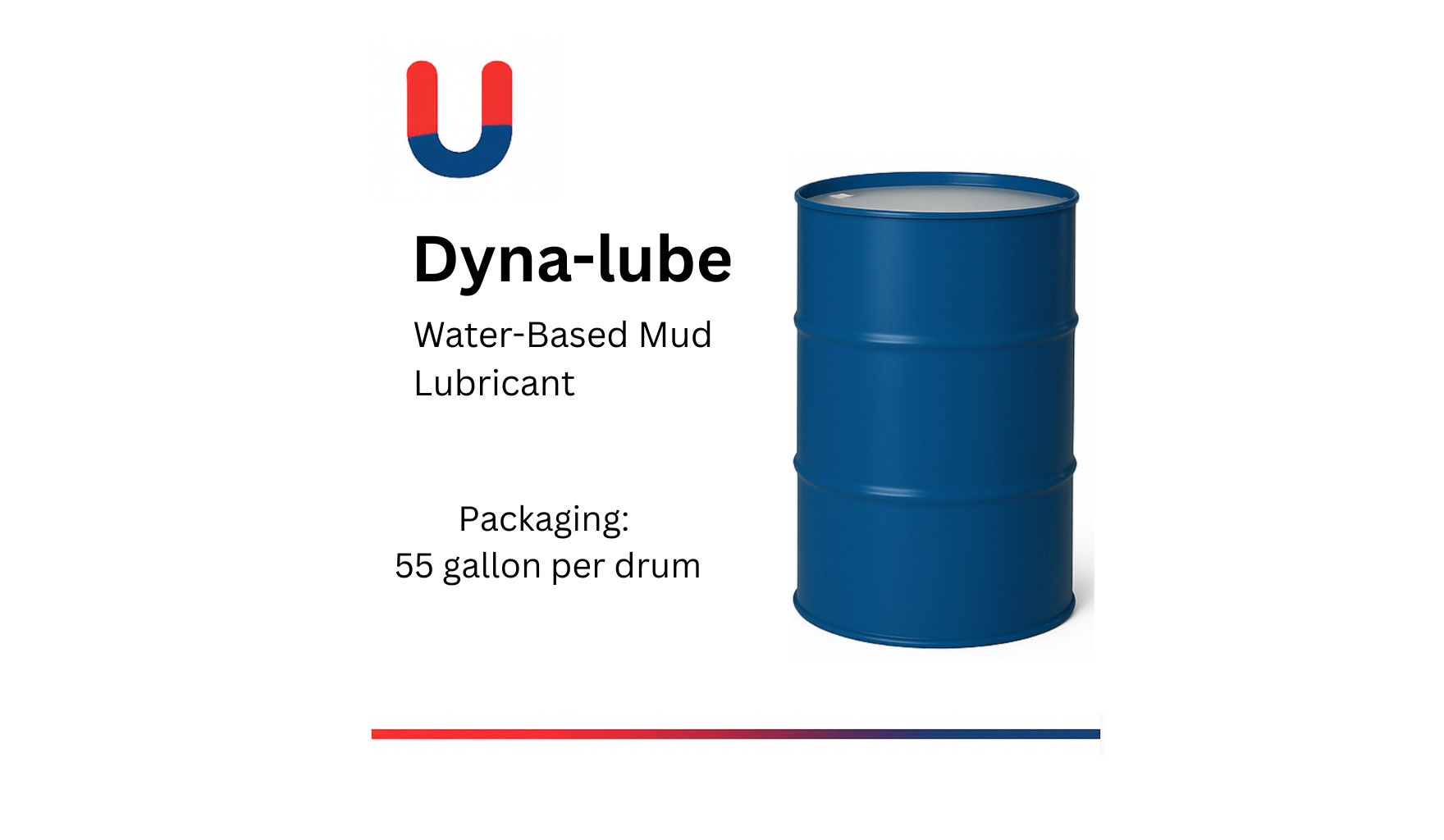
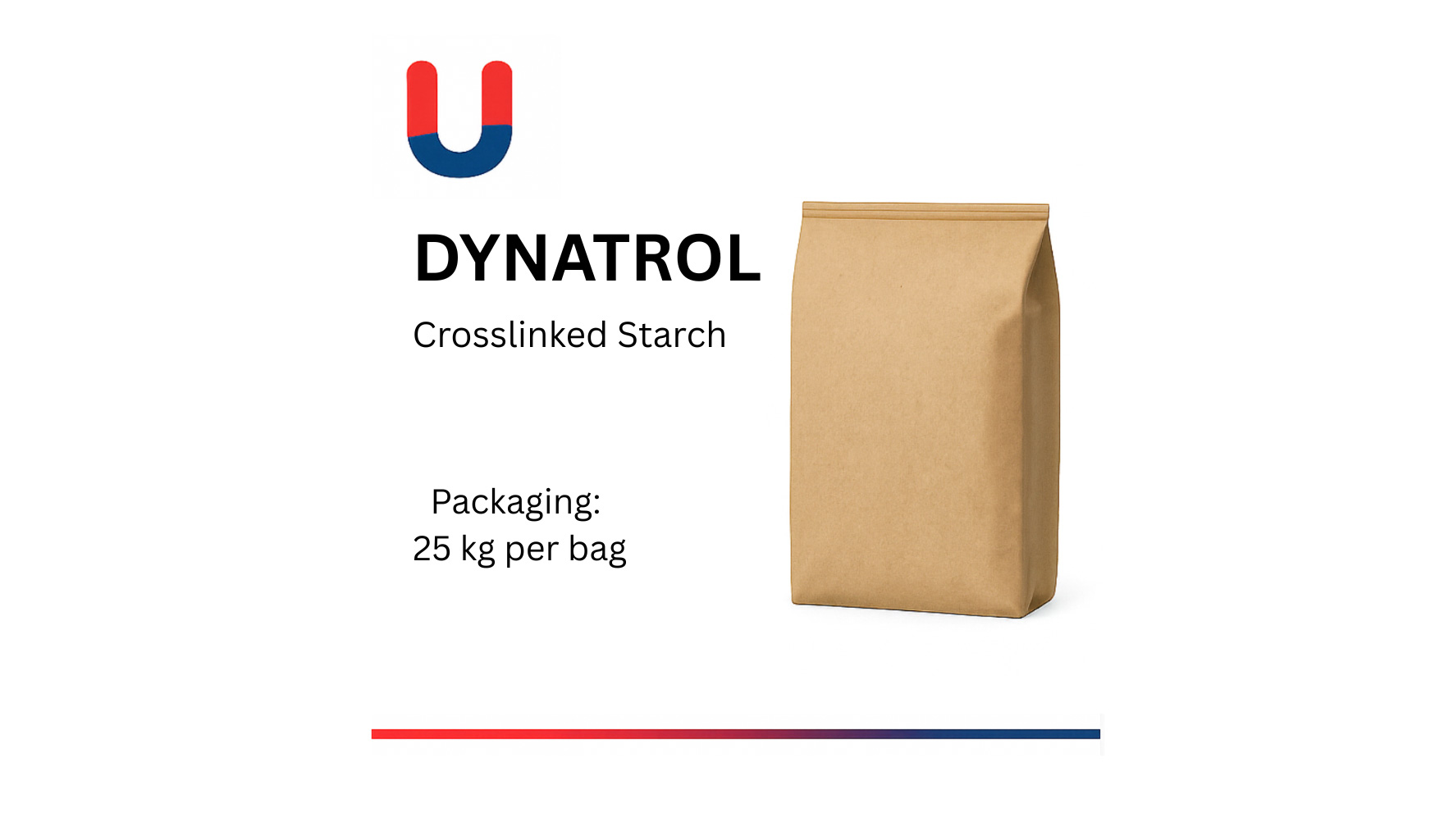
Product Code: DYNATROL Packing: 25 kg / bag | Product Code: DYNA-LUBE |
Water-based drilling fluid formulation follows a structured process:
Define formation characteristics and well objectives
Select appropriate base water and salinity
Establish target rheological and filtration properties
Choose compatible additives to meet performance requirements
Test formulation stability under simulated conditions
Adjust formulation based on temperature, contamination, and solids loading
Laboratory evaluation plays an important role in confirming formulation suitability before and during field application.
Despite their versatility, water-based drilling fluids face several challenges:
Sensitivity to contamination (cement, salts, drilled solids)
Limited thermal stability in high-temperature wells
Reduced performance in highly reactive shale formations
Increased maintenance in extended drilling intervals
Addressing these challenges requires careful additive selection and continuous system monitoring.
Water-based drilling fluid formulation is a balance of chemistry, geology, and operational requirements. By understanding the role of each component and how additives interact within the system, drilling teams can design fluids that support efficient drilling while maintaining wellbore stability and formation protection.
Rather than relying on standardized recipes, effective water-based drilling fluid design is based on formation-specific conditions, operational objectives, and ongoing performance evaluation.
Unitech Chemicals is a manufacturer of drilling fluid additives supporting water-based, polymer-based, and oil-based drilling fluid systems.
For water-based drilling fluid formulations, Unitech Chemicals supplies a range of materials, including:
Rheology modifiers and viscosifiers
Filtration control additives
Shale inhibition polymers
pH and system control chemicals
Through formulation compatibility assessment, laboratory testing, and technical support, Unitech Chemicals contributes to the development of stable and adaptable drilling fluid systems across different drilling environments.