


Oil-based drilling fluids (OBDF), commonly referred to as oil-based muds (OBM), rely on carefully controlled surface chemistry to maintain system stability and performance. Among the most critical components influencing this behavior are oil-wetting agents and water-wetting agents, which determine how solids and surfaces interact with the oil and water phases.
Understanding the function, selection, and balance of wetting agents is essential for maintaining emulsion stability, controlling rheology, preventing barite sag, and ensuring reliable drilling performance—especially in complex or high-temperature wells.
In oil based muds systems, the continuous phase is oil, while water exists as a dispersed internal phase. For the system to remain stable:
Drilled solids and weighting materials should remain oil-wet
Unwanted water-wet surfaces should be minimized
Emulsion integrity must be preserved under shear, temperature, and contamination
Wetting agents are surface-active chemicals that modify the affinity of solids or interfaces toward oil or water, thereby controlling system behavior.
Oil-wetting agents are additives designed to promote or restore oil-wet surfaces within the drilling fluid system. They reduce the tendency of solids—such as drilled cuttings, barite, or clays—to absorb water and destabilize the emulsion.
Oil-wetting agents help to:
Maintain oil-wet cuttings and weighting materials
Improve dispersion of solids in the oil phase
Reduce the risk of barite sag and density variation
Enhance emulsion stability by minimizing water-wet solids
Support consistent rheology and suspension properties
Oil-wetting agents are commonly used when:
Drilling reactive shale formations
Operating in high-salinity or high-temperature environments
Managing contamination from formation water or drilled solids
Addressing poor solids suspension or settling issues
Water-wetting agents are used to intentionally convert certain surfaces from oil-wet to water-wet. While OBM systems are generally designed to be oil-wet, controlled water-wetting is sometimes necessary for operational or maintenance reasons.
Water wetting agents are used to:
Aid in equipment cleaning and maintenance
Facilitate displacement from oil based muds to water-based fluids
Remove oil films from metal surfaces
Improve handling of cuttings during disposal or treatment
Water-wetting agents are typically applied:
During well cleanup or fluid displacement
In surface equipment washing
Prior to switching from oil-based to water-based systems
For environmental or waste management processes
They are generally not used continuously during active oil based muds drilling operations, as excessive water-wetting can destabilize the emulsion.
Wetting agents and emulsifiers perform related but distinct roles:
Emulsifiers stabilize the water-in-oil emulsion
Oil-wetting agents ensure solids remain compatible with the oil phase
Water-wetting agents selectively reverse oil-wetting when required
Improper balance between emulsifiers and wetting agents can result in:
Reduced electrical stability (ES)
Poor rheological control
Increased fluid loss
Solids settling or barite sag
Careful formulation and testing are therefore required to ensure compatibility.
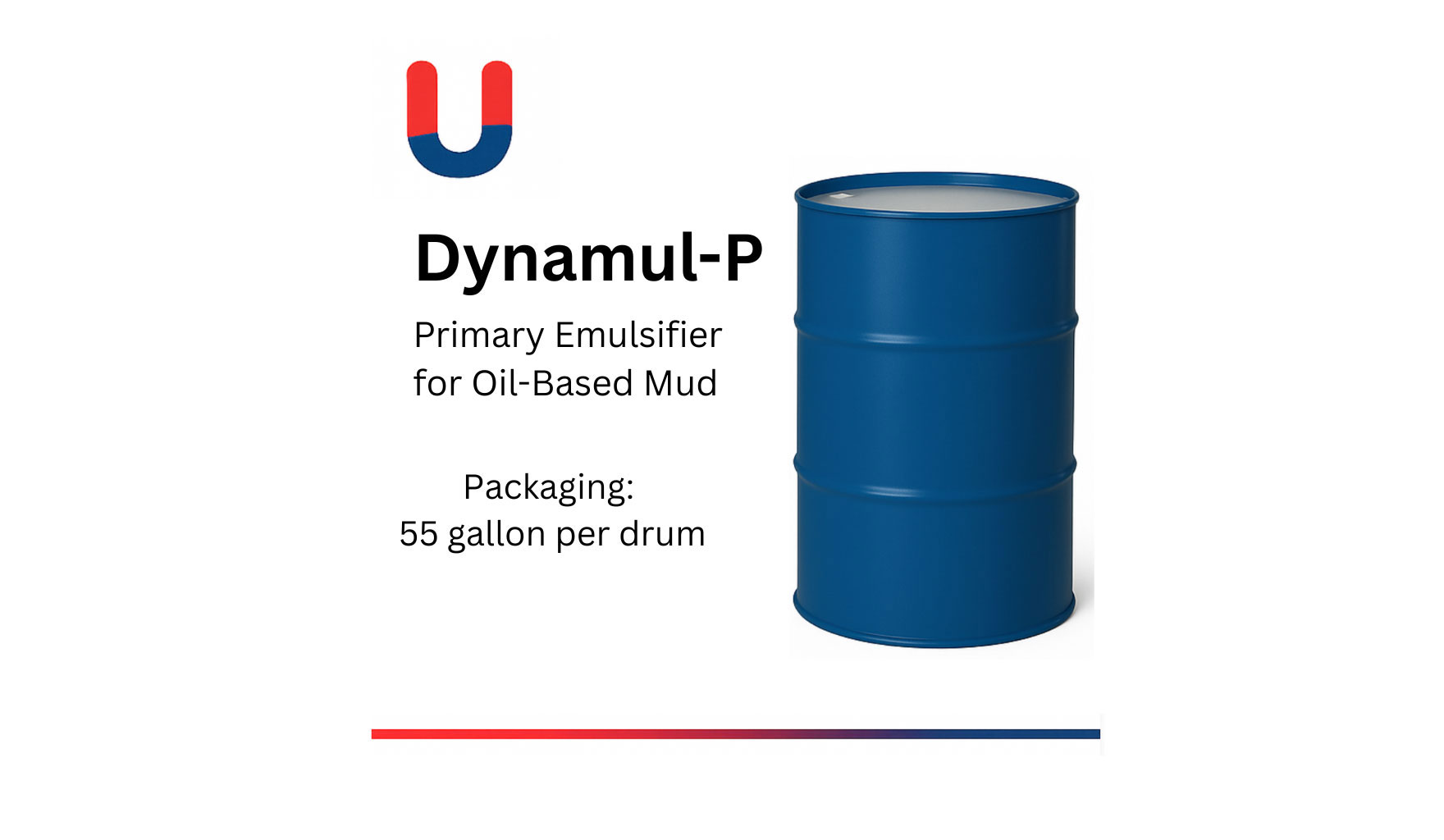 | 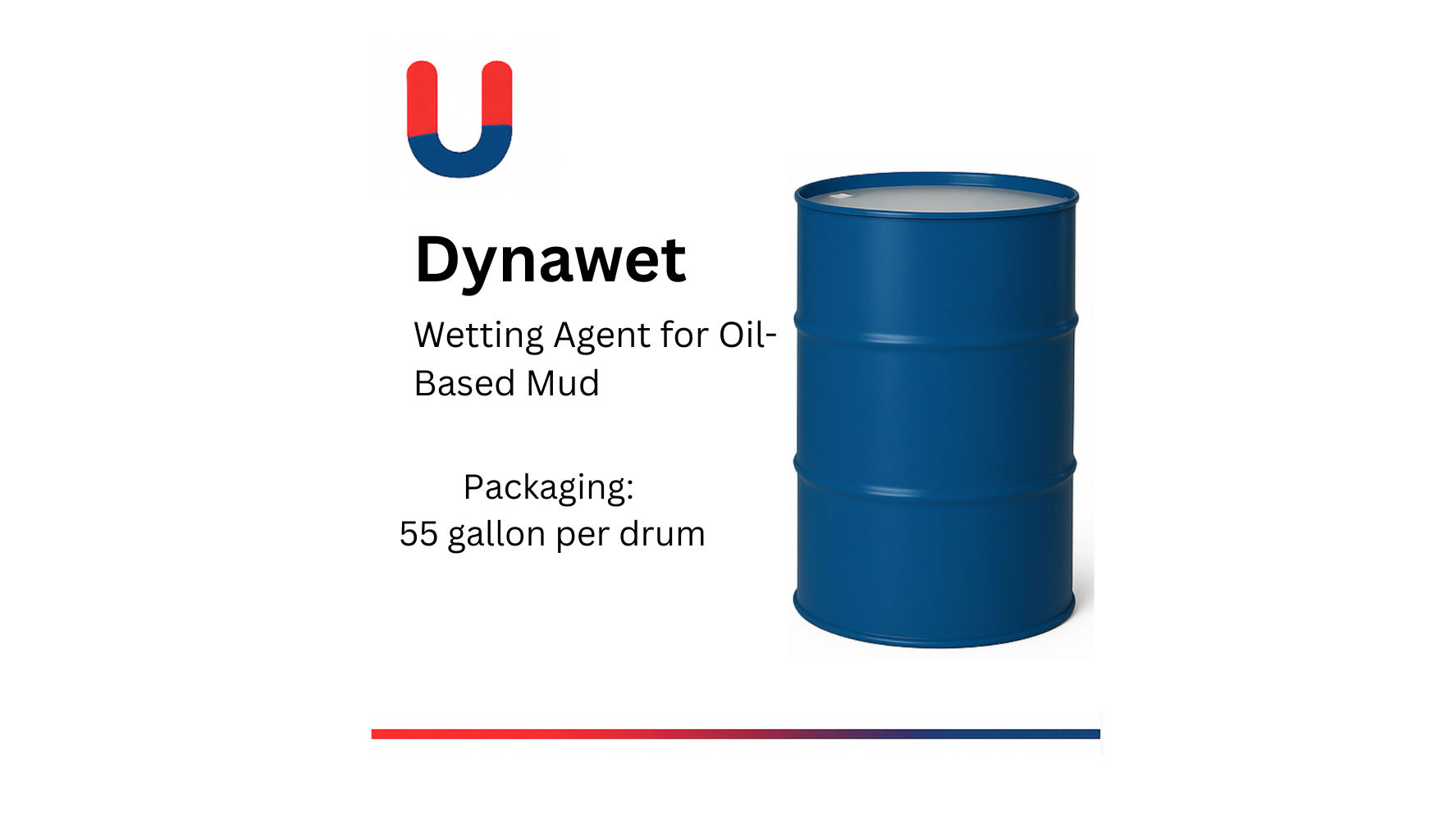 |
Primary Emulsifier for Oil-Based Mud Product Code: Dynamul-P Packing:55 Gallon / Drum | Wetting Agent for Oil-Based Mud Product Code: Dynawet |
Causes:
Inadequate oil-wetting agent concentration
Contamination from formation water or cement
Thermal degradation of additives
Consequences:
Emulsion instability
Increased fluid loss
Poor solids suspension
Causes:
Over-treatment with oil-wetting agents
Poor additive compatibility
Consequences:
Elevated viscosity
Reduced cuttings transport efficiency
Higher treatment costs
Conduct laboratory testing before field application
Monitor electrical stability, rheology, and solids behavior
Adjust dosage based on contamination level and drilling conditions
Avoid unnecessary use of water wetting agents during active OBM drilling
Ensure compatibility with base oil, emulsifiers, and other additives
Oil-wetting and water-wetting agents play a critical role in controlling the surface chemistry of oil-based drilling fluids. Proper management of wetting behavior helps ensure:
Stable water-in-oil emulsions
Uniform suspension of solids and weighting materials
Consistent rheological performance
Reduced operational risks in complex wells
A clear understanding of when and how to apply each type of wetting agent enables more predictable oil based muds performance and supports efficient drilling operations across a wide range of conditions.