

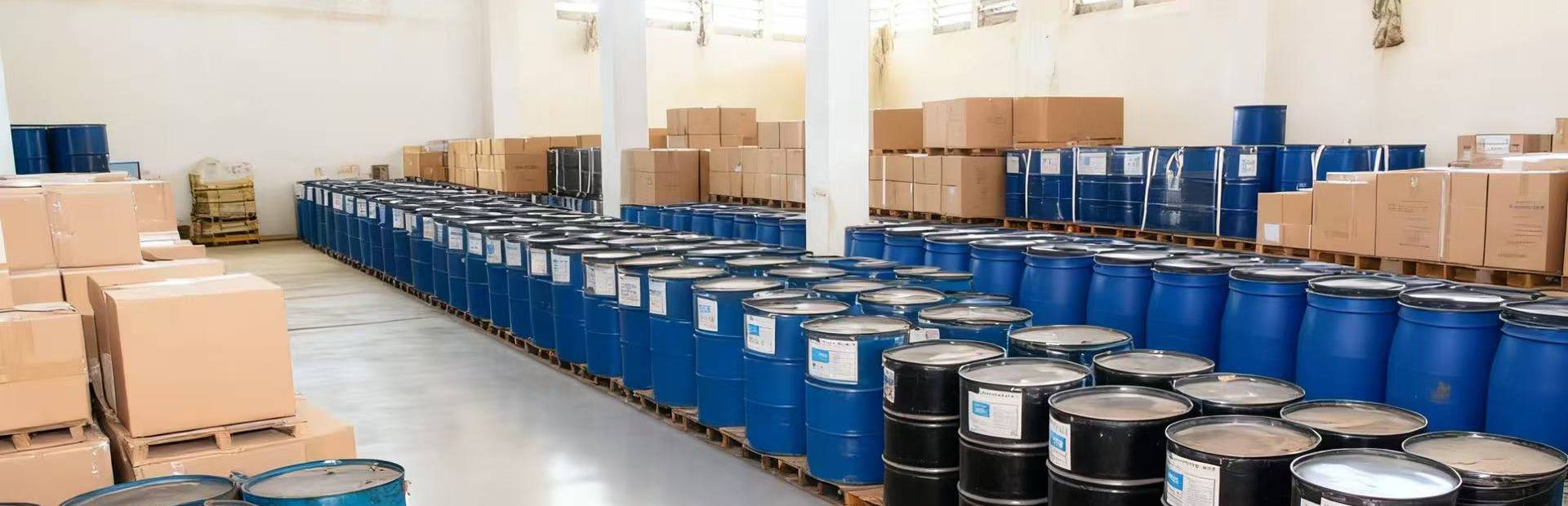
Oil-based drilling fluids (OBDF), or oil-based muds (OBM), are widely used in high-temperature, high-pressure (HTHP) wells, deep wells, and extended-reach drilling operations.
However, in high-temperature drilling environments, operators frequently encounter challenges such as:
· Declining electrical stability (ES)
· Emulsion instability or water separation
· Poor rheology under high-temperature conditions
These issues are often directly related to improper emulsifier selection or imbalance in the emulsifier system.
Maintaining a stable water-in-oil (W/O) emulsion at elevated temperatures is critical for wellbore stability, shale inhibition, lubrication, and overall drilling efficiency. Central to this stability are emulsifiers, which play a crucial role in creating and maintaining the emulsion structure.
Selecting appropriate emulsifiers for high-temperature oil-based muds systems requires understanding their chemical behavior, compatibility with other additives, and tolerance to thermal and mechanical stress.
Emulsifiers are surface-active agents that stabilize the interface between the continuous oil phase and the dispersed water phase. In high-temperature drilling conditions, the emulsifier system must:
· Prevent coalescence of water droplets under elevated temperatures and mechanical stress
· Maintain electrical stability (ES) despite drilled solids and formation fluids
· Support consistent rheology, cuttings suspension, and lubrication
· Improve tolerance to contaminants such as salts, formation water, or acidic gases
Emulsifiers in oil based muds are typically divided into primary emulsifiers, which form the emulsion, and secondary emulsifiers, which reinforce electrical stability and long-term robustness.
Several factors should guide the selection of emulsifiers for high-temperature oil based muds systems:
High-temperature wells often exceed 300°F (150°C), which can degrade standard emulsifiers. Emulsifiers for such conditions should:
Retain surface activity at elevated temperatures
Maintain droplet integrity and prevent phase separation
Be compatible with high-salinity water phases and other chemical additives
The emulsifier must be chemically compatible with the chosen base oil, whether diesel, mineral oil, low-aromatic mineral oil, or synthetic oil. Compatibility affects:
Emulsion formation
Viscosity and rheology control
Electrical stability and density uniformity
Salts such as calcium chloride (CaCl₂) are often added to the water phase to improve shale inhibition and emulsion stability. Emulsifiers must maintain functionality at the intended salinity levels without losing droplet integrity.
Oil based muds systems experience high shear during mixing, pumping, and circulation. Selected emulsifiers must withstand these mechanical forces to maintain droplet suspension and prevent coalescence.
Drill cuttings, formation water, cement residues, and acidic gases (CO₂, H₂S) can destabilize emulsions. High-temperature emulsifiers should provide adequate tolerance to these contaminants to ensure consistent performance throughout the drilling interval.
Primary Emulsifiers: Create the emulsion by forming a protective film around water droplets. For high-temperature oil based muds, primary emulsifiers must resist thermal degradation while maintaining droplet stability.
Secondary Emulsifiers: Reinforce the emulsion by improving electrical stability, droplet uniformity, and long-term robustness. Secondary emulsifiers are particularly important for extended drilling sections or elevated-temperature wells.
The proper ratio and compatibility of primary and secondary emulsifiers ensure stable OBM performance even under challenging thermal and mechanical conditions.
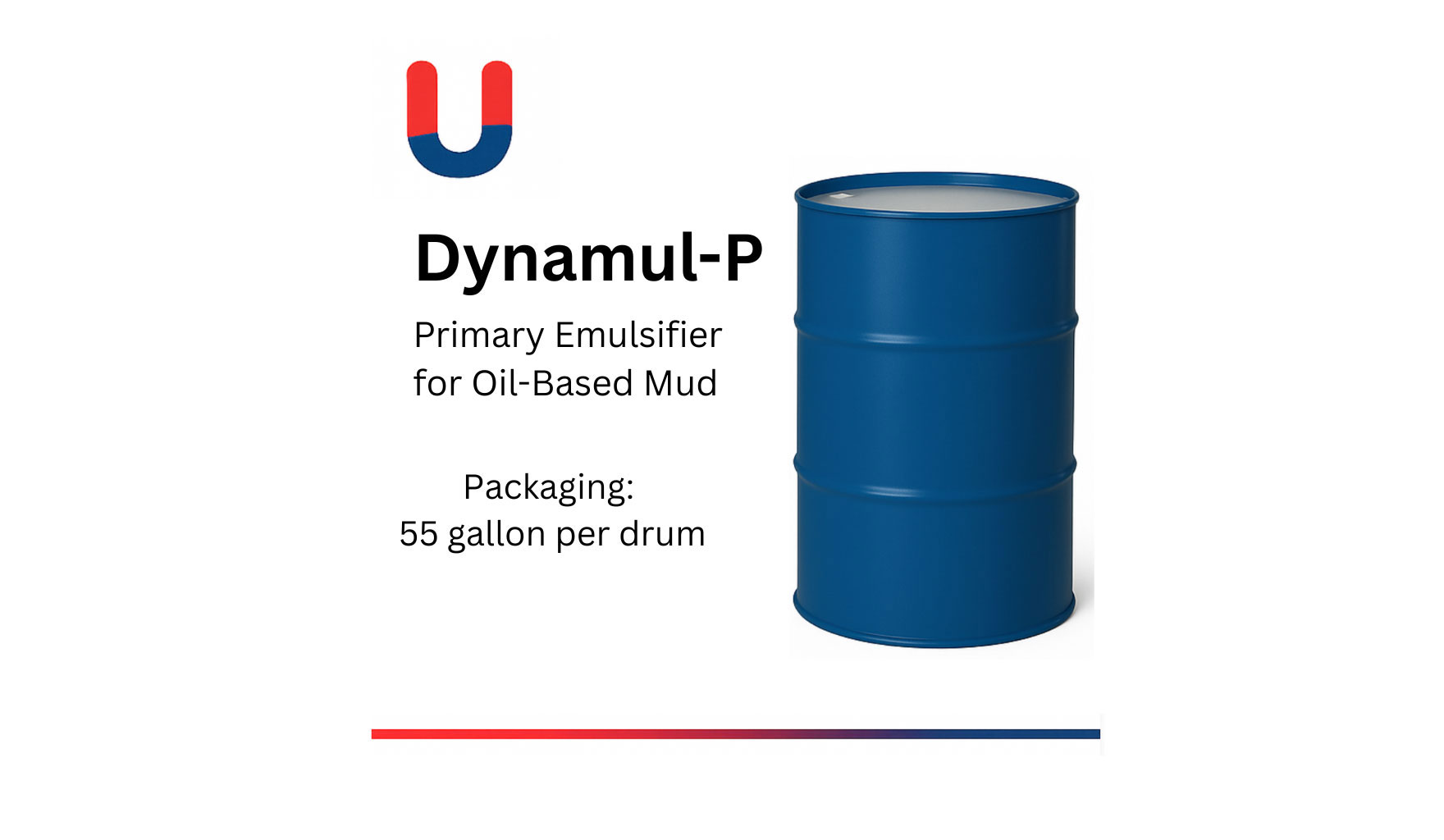 | 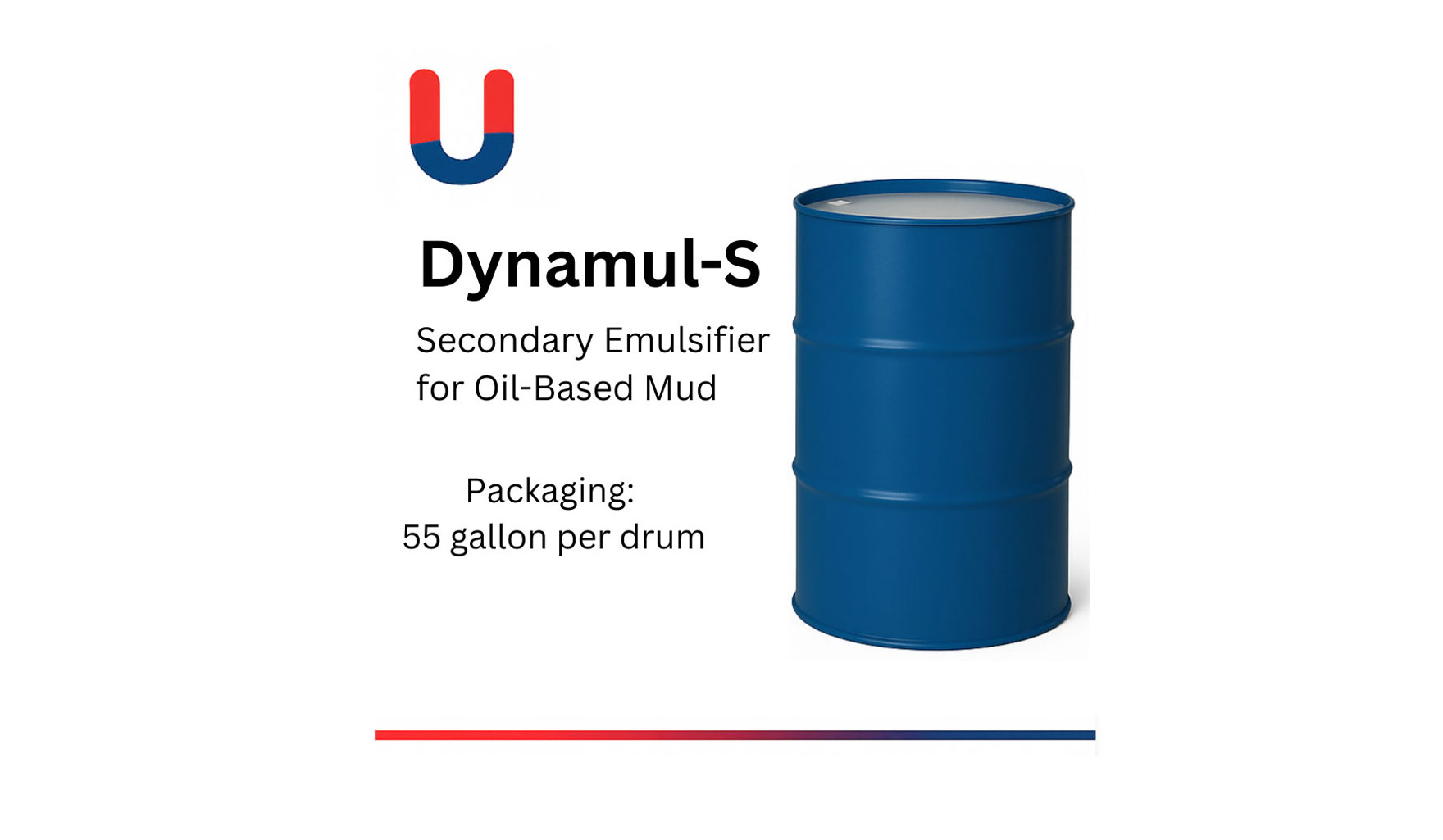 |
Primary Emulsifier for Oil-Based Mud Product Code: Dynamul-P Packing:55 Gallon / Drum | Secondary Emulsifier for Oil-Based Mud Product Code: Dynamul-S |
Dosage Control: Both over- and under-dosing can affect emulsion stability, rheology, and cost efficiency. Precise dosage based on laboratory testing and field conditions is recommended.
Additive Compatibility: Emulsifiers must work harmoniously with organophilic clays, weighting materials, filtration control additives, and wetting agents.
Monitoring: Electrical stability (ES) and visual inspection of emulsion behavior are essential indicators of emulsifier effectiveness.
Adjustment During Drilling: Temperature variations, contamination, or formation changes may require emulsifier adjustment to maintain fluid stability.
Many field failures are caused by incorrect emulsifier selection rather than fluid design itself.
For high-temperature oil based muds systems, consider the following selection strategy:
· ES drops at high temperature:
→ Select thermally stable primary emulsifier + reinforce with secondary
· Water separation under heat:
→ Improve emulsifier film strength and compatibility
· High contamination environment:
→ Use emulsifiers with strong contaminant tolerance
· Extended drilling intervals:
→ Increase secondary emulsifier for long-term stability
Matching emulsifier type to actual field conditions is essential for stable performance.
Selecting emulsifiers for high-temperature oil-based drilling fluids is a systematic process requiring careful consideration of thermal stability, base oil compatibility, water phase composition, shear tolerance, and contaminant resistance. A well-chosen emulsifier package ensures:
Stable water-in-oil emulsions
Consistent rheology and cuttings suspension
Effective filtration control
Shale inhibition and wellbore stability
Reduced torque, drag, and risk of stuck pipe
Optimizing primary and secondary emulsifiers in high-temperature OBM systems is critical for safe, efficient, and predictable drilling operations.
Unitech Chemicals is a professional drilling fluid additive manufacturer, specializing in chemical solutions for oil-based, water-based, and polymer-based drilling fluid systems.
For high-temperature oil based muds applications, Unitech Chemicals offers:
· Primary emulsifiers with strong thermal stability
· Secondary emulsifiers for enhanced ES and long-term performance
· Supporting additives for complete oil based muds systems
With expertise in additive compatibility, performance evaluation, and field application guidance, Unitech Chemicals supports drilling operations under HTHP, deep well, and extended-reach conditions.
If you are facing high-temperature emulsion instability or ES decline, our team can help you select the right emulsifier system and optimize your formulation.
· Get emulsifier selection recommendations
· Request Technical Data Sheet (TDS)
· Apply for sample testing
Contact us to improve your high-temperature OBM performance.